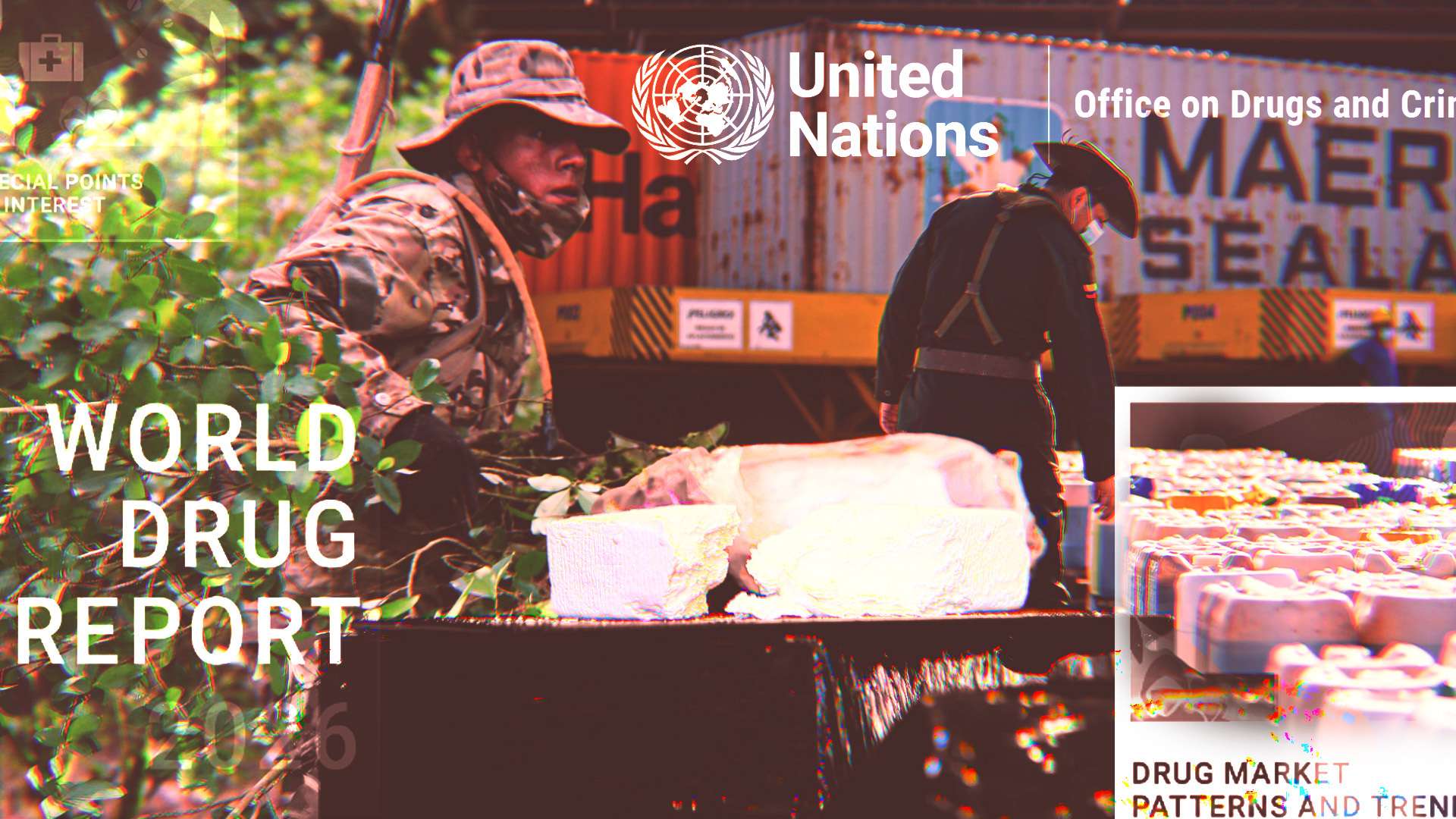
The United Nations’ latest World Drug Report points to a hard truth for governments around the world: the long-running war on drugs is not delivering the results its backers promise. The annual report, released late last month, tracks major developments in the global drug trade and suggests that illegal drug markets continue to adapt and endure despite years of enforcement efforts.
At its core, the report underscores how difficult it has been to reduce the supply of illicit substances or weaken the networks that produce and traffic them. Rather than showing a clear path toward victory, the findings add to the view that prohibition-led strategies have struggled to keep pace with a global market that remains flexible, profitable, and hard to contain.
The latest assessment also highlights the broader challenge facing policymakers: even as governments invest heavily in crackdowns, the drug trade continues to evolve. That raises renewed questions about whether current approaches are addressing the underlying drivers of drug production, distribution, and use, or simply repeating a cycle that has failed to produce lasting change.
Taken together, the UN report adds weight to the argument that the global war on drugs is still being outmatched by the problem it was meant to solve. While the details shift from year to year, the larger message remains consistent: the international campaign against illegal drugs is still falling short of its goals.