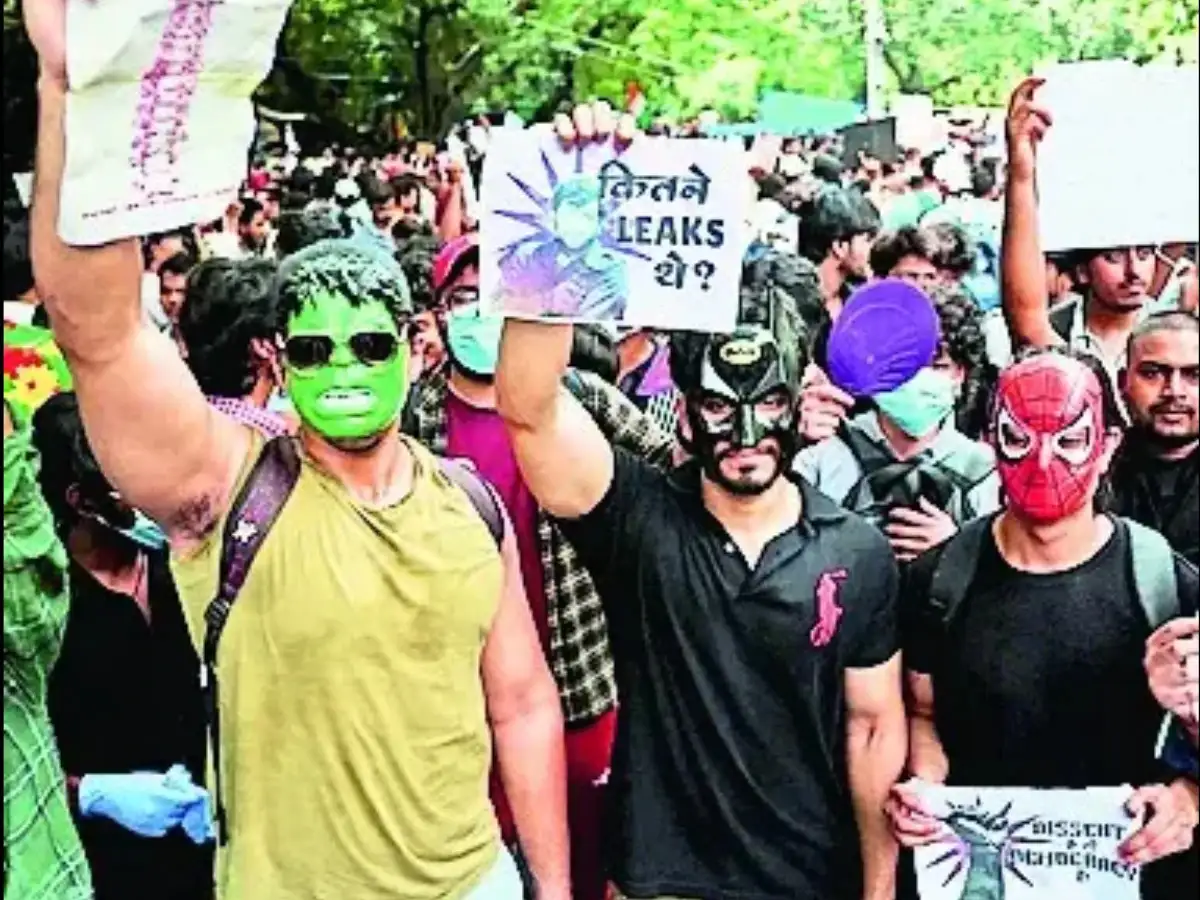
A debate over youth activism in India has exposed a sharp split between generations, with many older people reacting impatiently to student and young-led protests. The discussion, framed in part around Dharmendra "Veeru" Pradhan's resignation, turns quickly from one political moment to a broader complaint about how young Indians choose to express dissent.
The criticism from older Indians is rooted in comparison. Many remember their own struggles as difficult but less publicly dramatic, and they measure today's protests against that memory. From that point of view, younger demonstrators can look disruptive, attention-seeking or overly entitled rather than disciplined and persuasive.
Younger protesters, however, are operating in a different public culture, where visibility matters and silence is less likely to produce results. That difference helps explain why the same act can be seen by one generation as necessary pressure and by another as unacceptable disorder. The clash is not only about politics, but also about what counts as respectable behavior in public life.
The larger issue is a widening generation gap in India over dissent, authority and social change. Older "uncles and aunties" may see impatience and spectacle, while younger people see urgency and the need to be heard. The argument reveals how deeply ideas about protest are shaped by age, memory and competing views of responsibility.