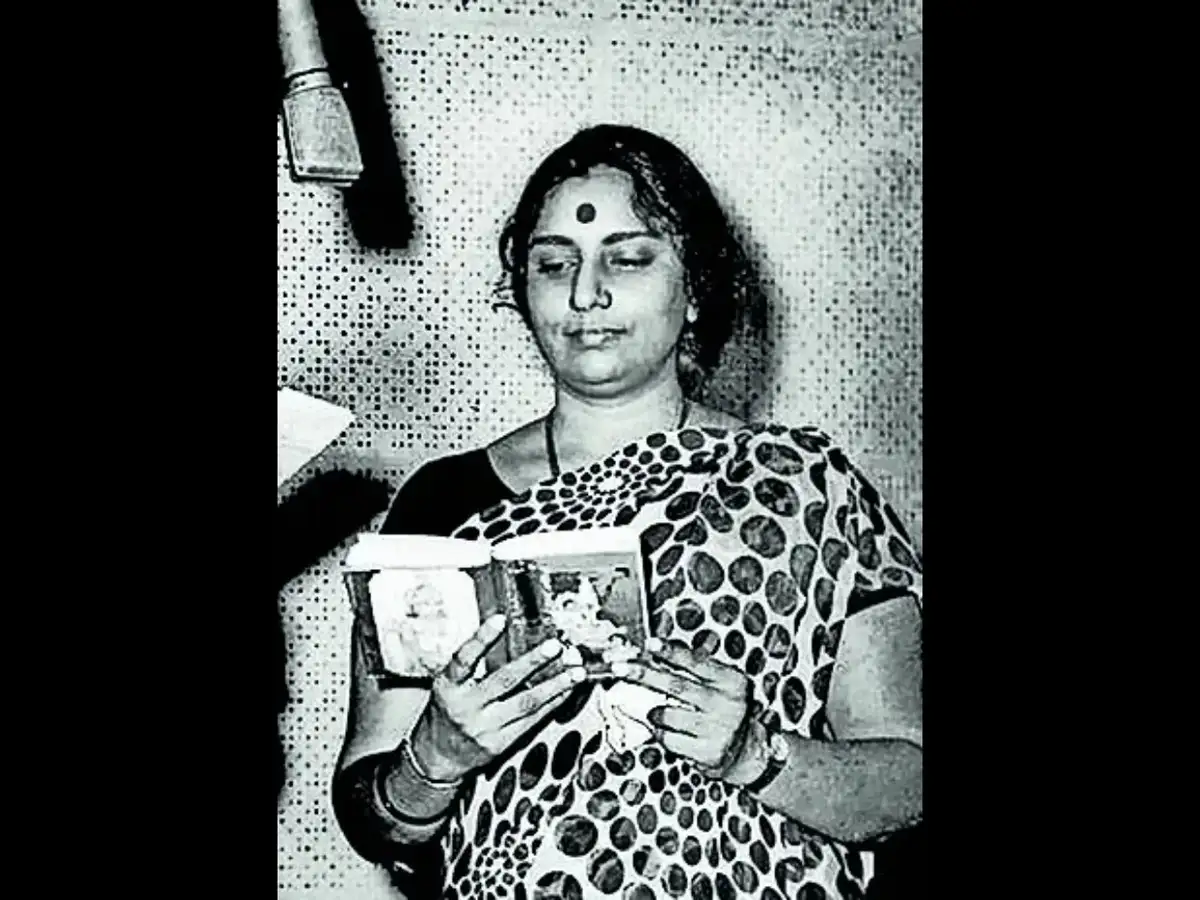
The passing of singer S Janaki has sparked a wider conversation about India’s North-South cultural divide, with many revisiting the scale of her contribution to film music and the level of recognition she received nationally. Her career stretched across decades, and her voice became part of the emotional fabric of cinema for audiences in several Indian languages.
S Janaki is being remembered not only for longevity but for range. She sang thousands of songs and built a reputation that crossed linguistic and regional borders within the country, especially in South Indian cinema. A scene recalled from the Malayalam film Manjil Virinja Pookkal captures that influence well: the heroine is first introduced through song, showing how a playback singer’s voice could define character, mood and memory before a word of dialogue took over.
Her death has also renewed scrutiny of how Indian cultural recognition is distributed. The debate is less about her stature in the South, which was firmly established, and more about whether national awards and wider mainstream attention kept pace with the magnitude of her work. For many, that gap reflects a familiar pattern in which artists rooted in southern industries are celebrated by huge audiences yet do not always receive equal visibility in all-India narratives.
That is why S Janaki’s legacy now resonates beyond music alone. It has become part of a larger discussion about whose contributions shape Indian culture, who gets remembered at the national level, and how regional excellence is valued across the country. In that sense, the renewed attention to her work is also a renewed look at the cultural imbalances her career came to symbolize.