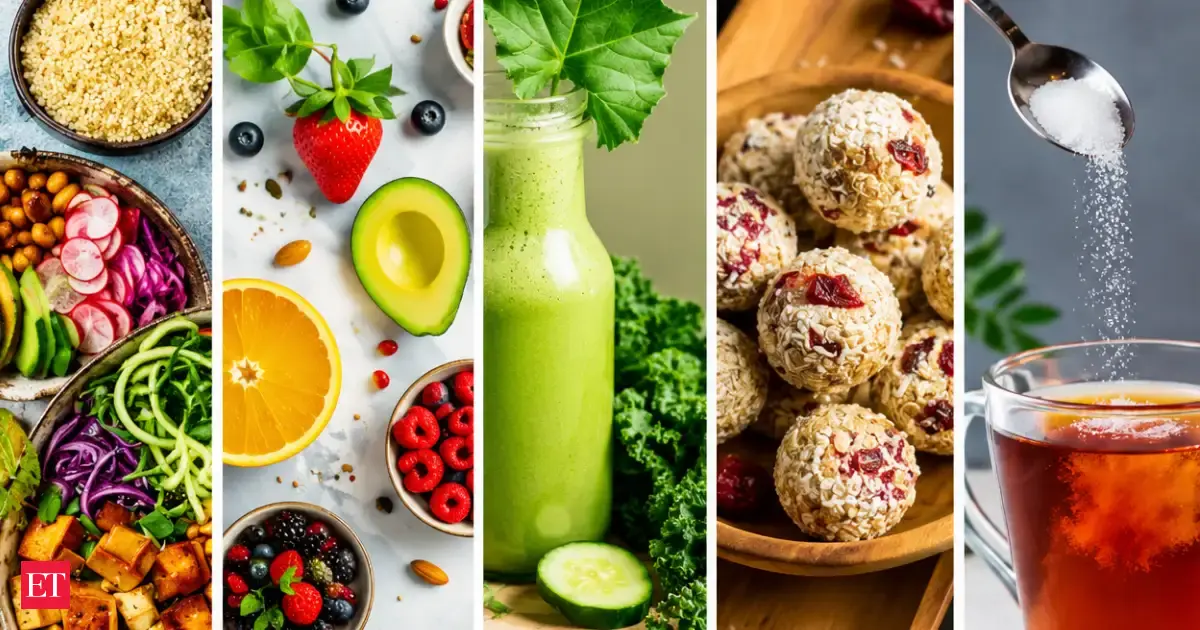
Monk fruit is emerging as a fast-growing sugar substitute in India, where demand for zero-calorie and no-added-sugar products is rising. After stevia dominated the alternative sweetener category for years, monk fruit is now appearing in more health-focused foods and drinks, including protein bars, desserts and café beverages.
The shift is being driven by consumers who want sweeter options without the calorie load of regular sugar. India’s large diabetic population and broader interest in wellness are also helping monk fruit gain attention in the health-food market. For brands, the ingredient fits neatly into the growing appeal of “better-for-you” labels and reduced-sugar positioning.
But doctors are also warning that the debate should not stop at monk fruit vs sugar. Their broader message is that the real issue is often overall eating behavior, including how frequently people consume ultra-processed foods, sweet snacks and convenience products. Replacing sugar with a natural sweetener may lower calories, but it does not automatically make a diet balanced.
That is why the monk fruit trend in India is being viewed in two ways at once: as a useful option for people trying to cut sugar, and as a reminder that health depends on total food habits, not a single ingredient swap. For many consumers, the bigger question is no longer just what sweetener they use, but how they eat day to day.