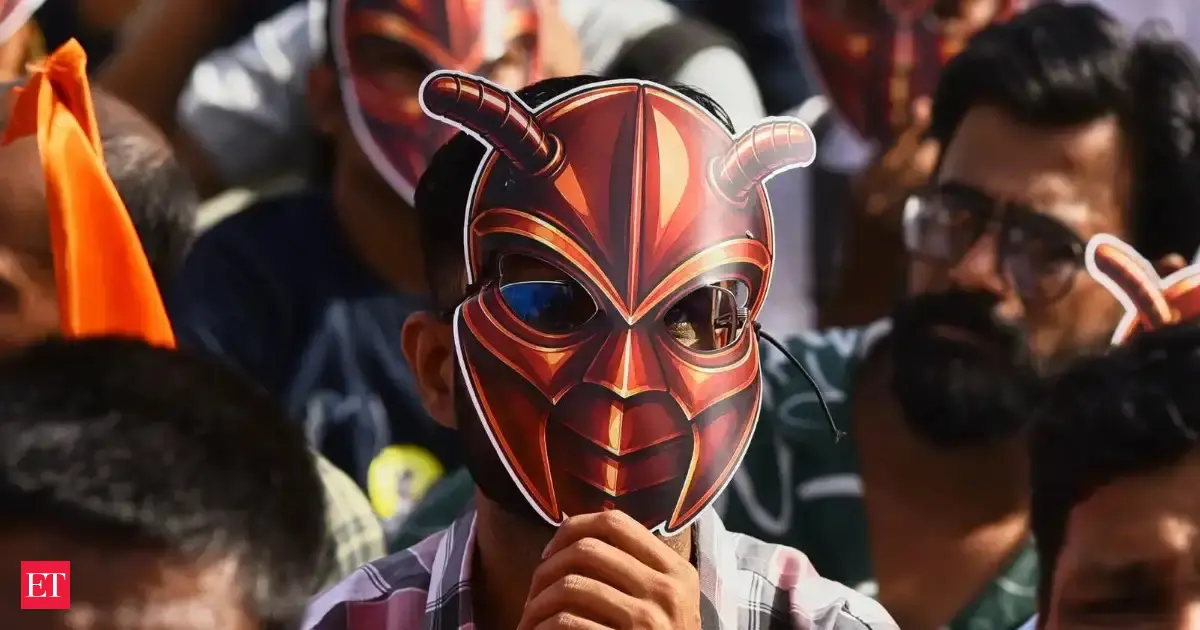
The resignation of Education Minister Dharmendra Pradhan has quickly become a major political flashpoint in New Delhi, with Congress and other opposition parties describing it as a clear victory for a youth-led protest movement. The development has also been framed by critics of the Modi government as a sign that sustained public pressure forced a retreat.
But the political impact goes beyond the minister’s exit. The agitation was called off only after the Cockroach Janta Party, or CJP, reached a settlement directly with the government. That has given the group fresh visibility and suggested that it may now emerge as a more serious opposition player in the space traditionally occupied by established parties.
Congress has tried to position the outcome as proof of growing youth power and broader dissatisfaction with the government. Rahul Gandhi’s support for the protest has added to that message, allowing the party to align itself with public anger and with younger voters who drove the agitation.
At the same time, the episode creates a new challenge for Congress. While it can celebrate the resignation as a political win, the CJP’s role in negotiating the pact means it may get much of the credit for converting protest pressure into a concrete result. That could reshape opposition politics by introducing a new rival for anti-government sentiment.
The result is a mixed moment for Congress: a setback for the government, but also a reminder that opposition space is becoming more crowded. With the protest now over and the pact in place, attention is likely to shift to whether the CJP can turn this momentum into a lasting political presence.