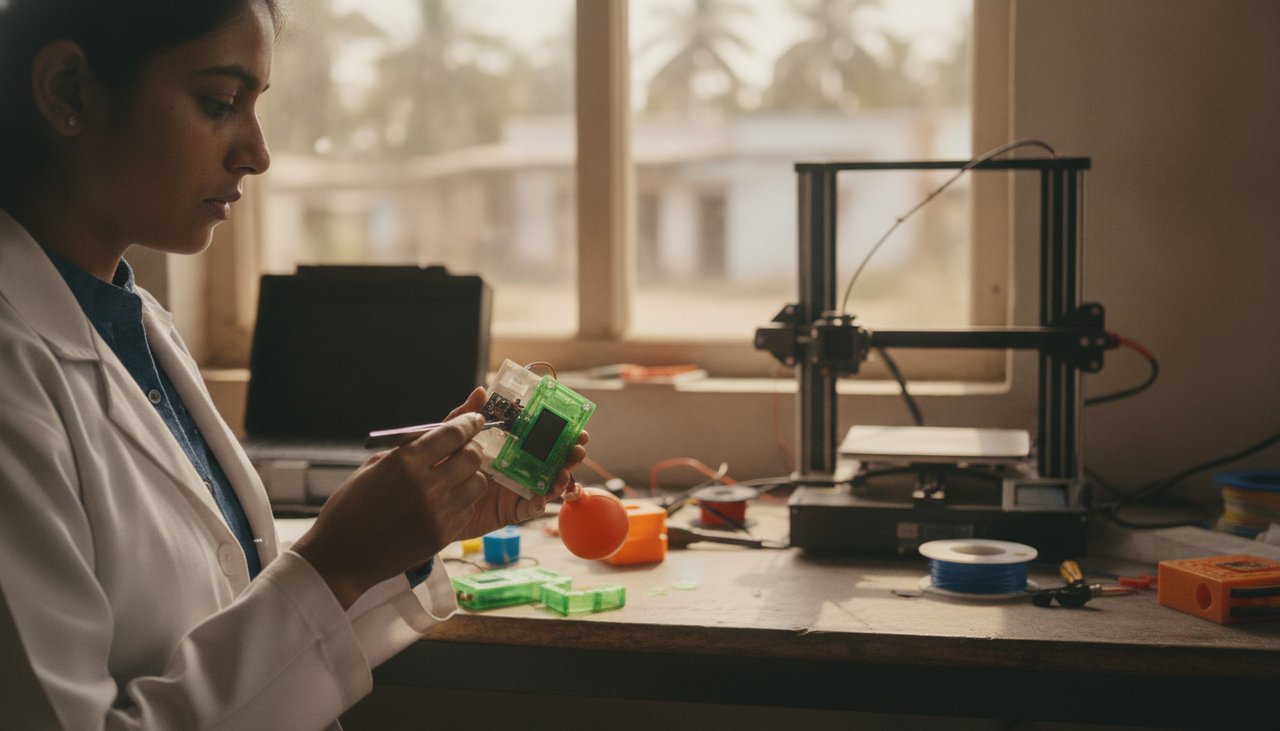
Rural health centers play a critical role in delivering care to people in remote areas, but they often work with tight budgets and limited specialist support. That makes diagnostic equipment one of the biggest challenges in day-to-day care. When devices are too expensive or too complex, early detection and routine testing can become harder to provide consistently.
The focus on affordable diagnostic devices for rural health centers highlights a practical healthcare gap: tools must not only be accurate, but also realistic for low-resource settings. Cost remains a major barrier, especially for clinics that need dependable equipment without the financial capacity of larger hospitals. For these facilities, value comes from devices that can support essential services while staying within reach.
Building effective diagnostics for rural healthcare also means designing with the setting in mind. Devices need to be simple to use, reliable in demanding conditions, and suitable for teams that may not have access to highly specialized training. A lower price alone is not enough if the technology cannot be used easily or maintained over time.
The broader message is that better rural healthcare depends on more accessible medical technology. By reducing the cost barrier and focusing on practical performance, diagnostic devices can help rural health centers strengthen basic services and improve access to timely care for remote populations.