Iran reportedly brought in about $18 billion from crude sales during the 2026 war and the following ceasefire period, despite US efforts to restrict its energy trade. The figure underscores how hard it remains to fully choke off Iranian oil exports even during active conflict.
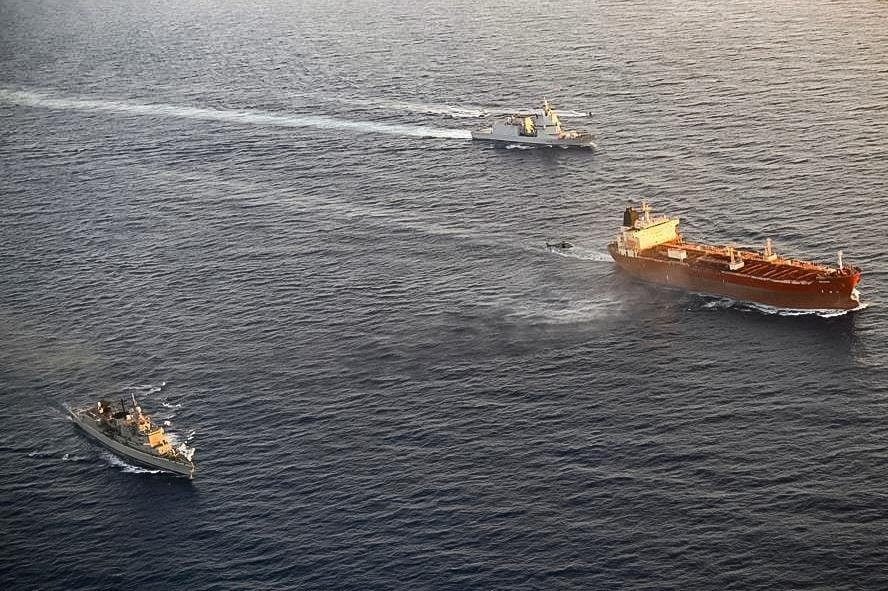
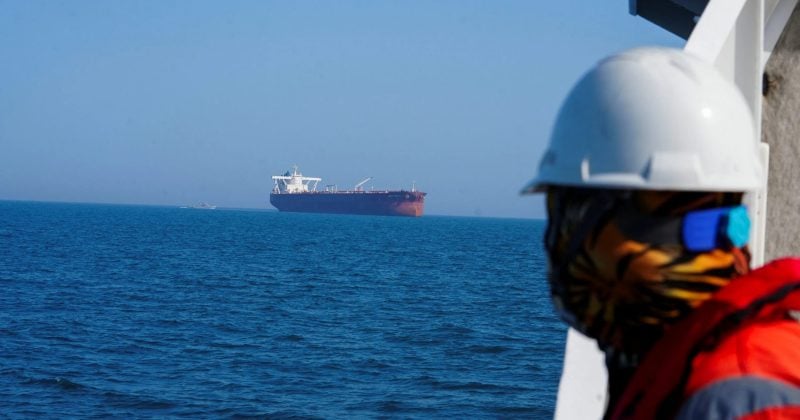
According to the available details, Iran kept exports moving through a combination of shadow fleet activity and continued demand from China. That mix allowed shipments to continue even as a US naval blockade sought to curb revenue from crude sales.
The reported sales highlight a broader problem for sanctions enforcement. Measures designed to limit Iran’s access to oil income can face major gaps when tankers operate through opaque networks and buyers remain willing to take cargoes despite geopolitical pressure.
The episode also suggests that wartime pressure alone does not automatically translate into a sharp collapse in energy revenue. Even during conflict and ceasefire conditions, Iran appears to have preserved a significant stream of crude income, raising fresh questions about the real-world limits of current sanctions and maritime enforcement.