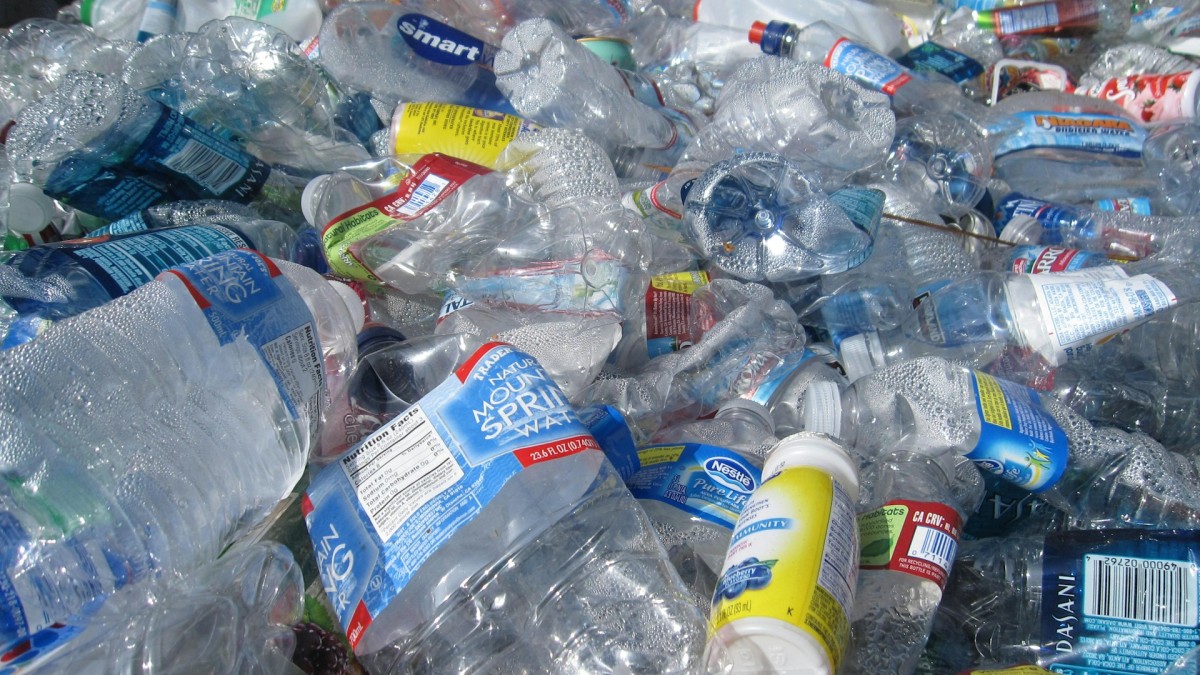
UCLA scientists are drawing attention with research that turns plastic waste into pure hydrogen fuel, a development that could link two major energy challenges: reducing plastic pollution and expanding cleaner fuel options. The work stands out because hydrogen has long been promoted as a possible tool for cutting emissions in industries that are difficult to electrify.
Green hydrogen was once seen as a promising answer for hard-to-abate sectors such as shipping and steelmaking, but enthusiasm cooled as commercial hurdles and cost concerns slowed progress. A process that uses discarded plastic as a feedstock may reopen interest by offering a different pathway to hydrogen production while also addressing mounting waste problems.
The UCLA research, as described, points to a way of producing high-purity hydrogen rather than relying only on conventional methods tied to fossil fuels or expensive renewable-powered systems. If the approach can be scaled, it may strengthen the case for hydrogen in areas where direct electrification remains challenging and where cleaner fuels are still in short supply.
Much will depend on whether the technology can move beyond the lab and prove economical at larger volumes. Even so, the idea of turning plastic waste into pure hydrogen gives fresh momentum to a sector that had lost some of its early buzz, especially for industries still searching for practical decarbonization options.