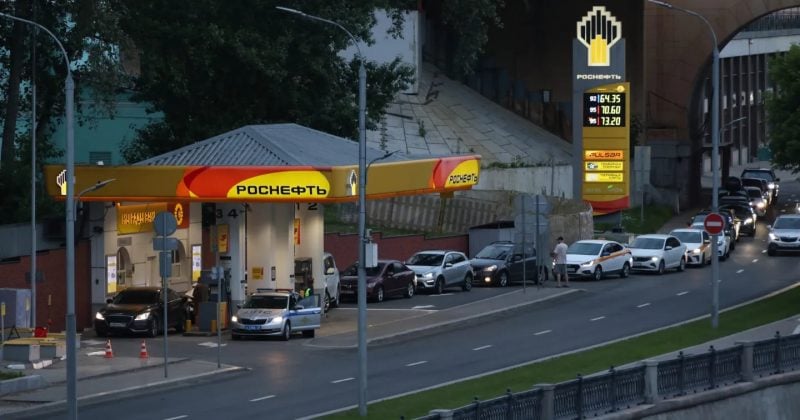
Russia will keep its gasoline export ban in place through the end of the year, according to Deputy Prime Minister Alexander Novak. The move signals that fuel export restrictions remain a priority for Moscow as it manages domestic supply and the wider energy market.
At the same time, the report points to a growing role for digital assets in Russian energy trading. Bitcoin, Ether and the stablecoin USDT are increasingly being used to settle some deals, offering traders another payment route as Western sanctions continue to complicate traditional financial channels.
The combination of an extended gasoline export ban and broader crypto use highlights how Russia’s energy sector is adapting under pressure. While the fuel curbs focus on exports, the payment shift suggests market participants are also adjusting how transactions are completed when access to conventional cross-border systems is more limited.
Taken together, the developments show two sides of Russia’s current energy strategy: tighter control over gasoline exports and more flexible settlement methods for trade. The trend underlines how sanctions, fuel policy and digital payments are becoming more closely linked in the Russian energy business.