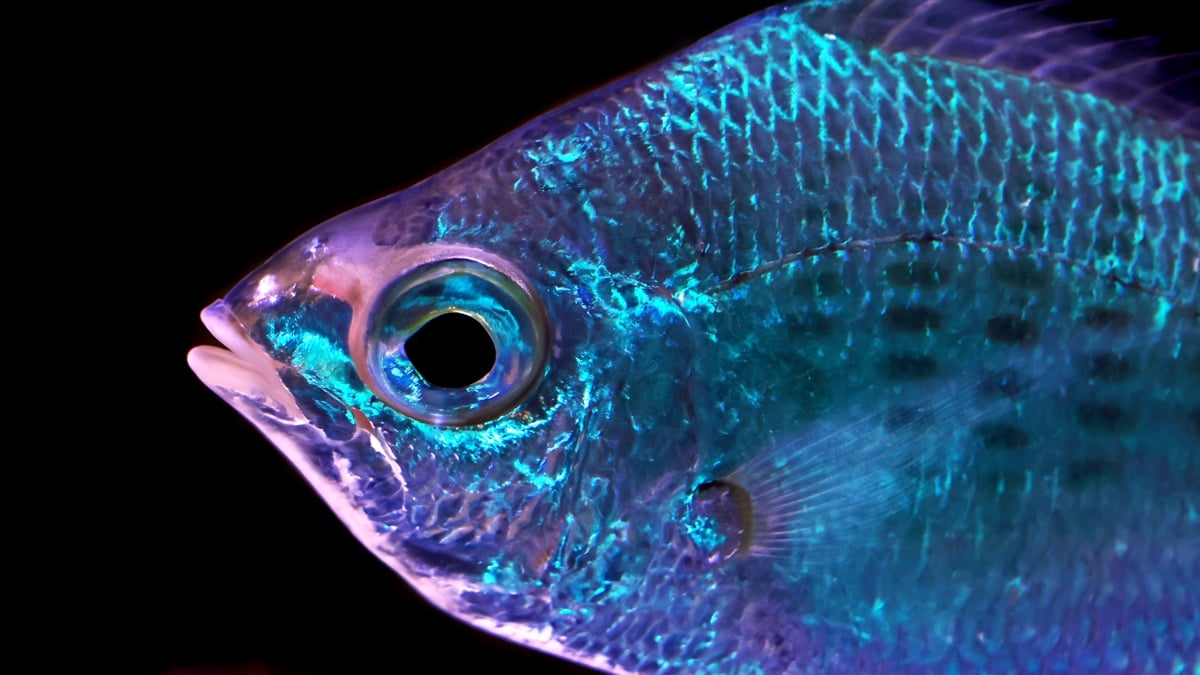
Silverside fish are known for their bright, mirror-like bodies, which can make a school look like a moving disco ball underwater. That shimmer comes from countless tiny reflective structures in the skin, helping create the striking silver flash these fish are famous for.
But new research suggests the skin may not be acting only as a passive mirror. According to the emerging findings, silverside fish skin could also be involved in sensing light, pointing to a more active role for the glittering surface than scientists once assumed.
If that idea holds up, it would add a surprising new layer to how researchers understand fish skin. Instead of serving purely as a reflective coating, the outer surface may be linked to how these animals detect or respond to changing light in their environment.
The work highlights how much remains to be learned about even familiar features in marine life. What looks like simple shine on a silverside fish may actually reflect a more complex biological system operating just beneath the surface.