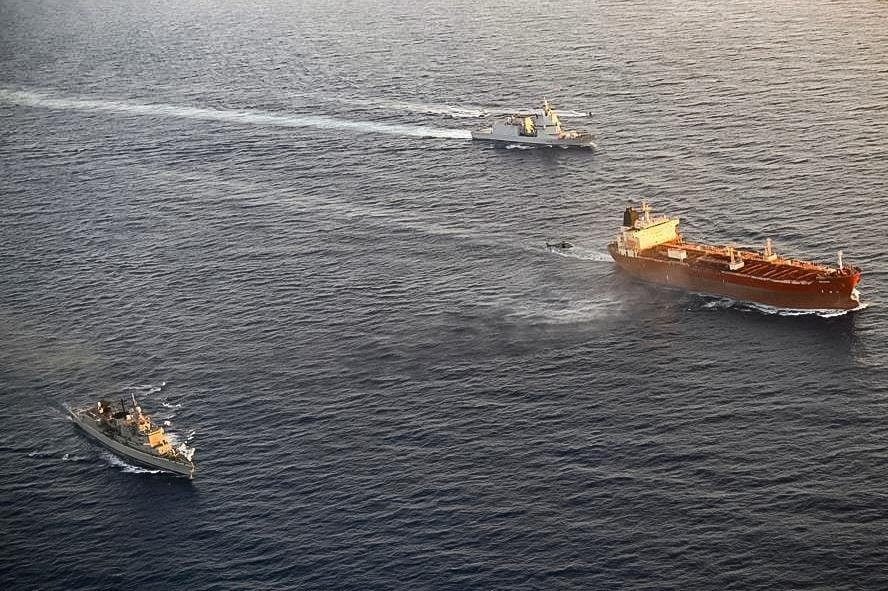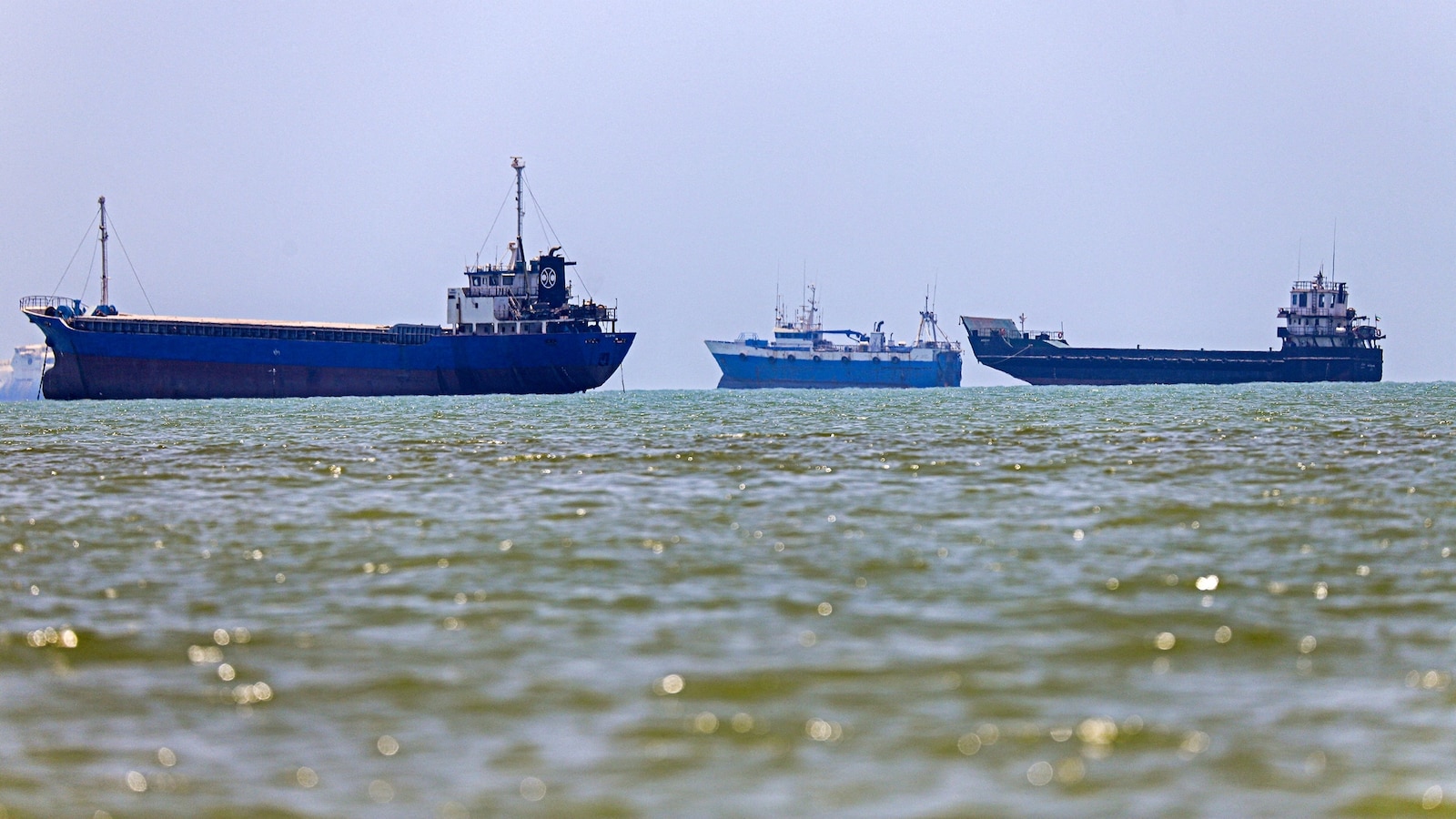
Scientists are warning that disruptions in the Strait of Hormuz could create more than a trade and security problem. As conflict continues to interfere with traffic through the narrow waterway, vessels left waiting or stalled for extended periods may increase the risk of invasive species spreading into new marine environments.
The concern is that ships moving between regions can carry organisms with them, and longer delays at sea may raise the chances of those species being introduced where they do not naturally belong. If that happens on a large scale, researchers say the result could be a serious ecological shock for nearby waters and coastal ecosystems.
The warning adds an environmental dimension to the ongoing strain around the Strait of Hormuz, a critical route for global shipping. While much of the attention has focused on blocked traffic and the wider conflict, scientists say the effects of prolonged congestion could also unfold in the sea itself.
Invasive species can disrupt food chains, damage native habitats and create lasting problems once they become established. That is why experts are framing the stalled-vessel buildup near the Strait of Hormuz not just as a shipping issue, but as a potential ecological crisis if the disruption continues.