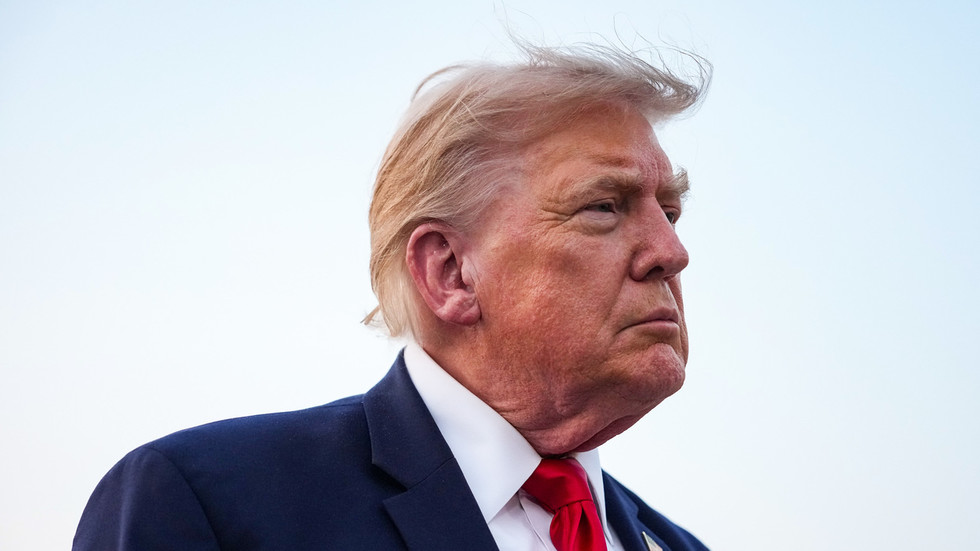
A Washington meeting backed by President Donald Trump has pushed far-left extremism into the center of a broader international counterterrorism discussion. The report describes the gathering as a turning point, with the United States urging partners to treat the issue as a cross-border security concern rather than a purely domestic political dispute.
According to the article, this marks a major change from years in which warnings about far-left violence were often brushed aside in much of the West. The new US-led approach presents such activity as part of the wider extremist threat landscape, placing it alongside other subjects that have long dominated counterterrorism planning.
The coverage suggests the Trump administration is trying to build a more coordinated global response, using Washington as the venue to align allies around a common framework. That effort appears aimed at moving the conversation beyond ideology and toward prevention, intelligence-sharing, and international cooperation.
The broader significance of the meeting lies in how it may reshape policy priorities. If the approach gains traction, far-left terrorism could become a more visible part of global security planning and diplomatic coordination in the period ahead.