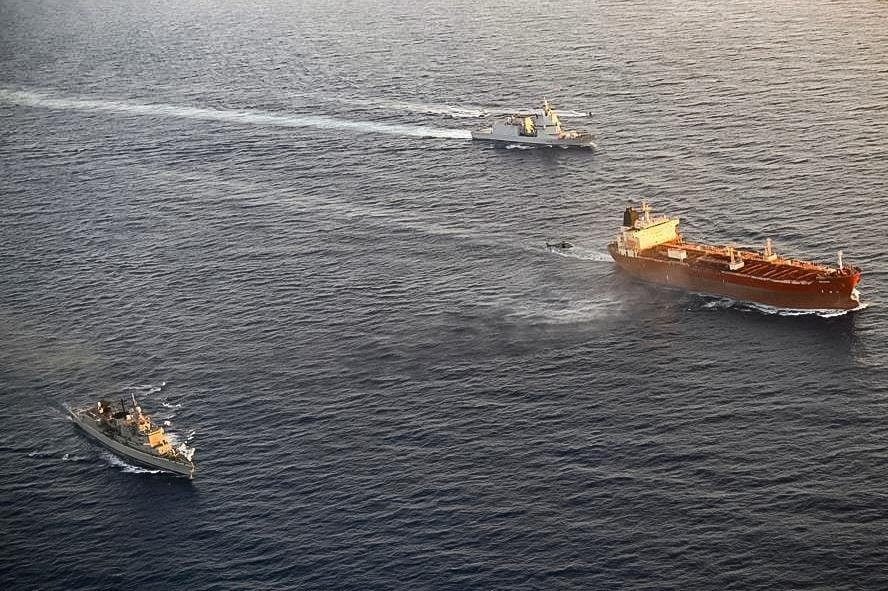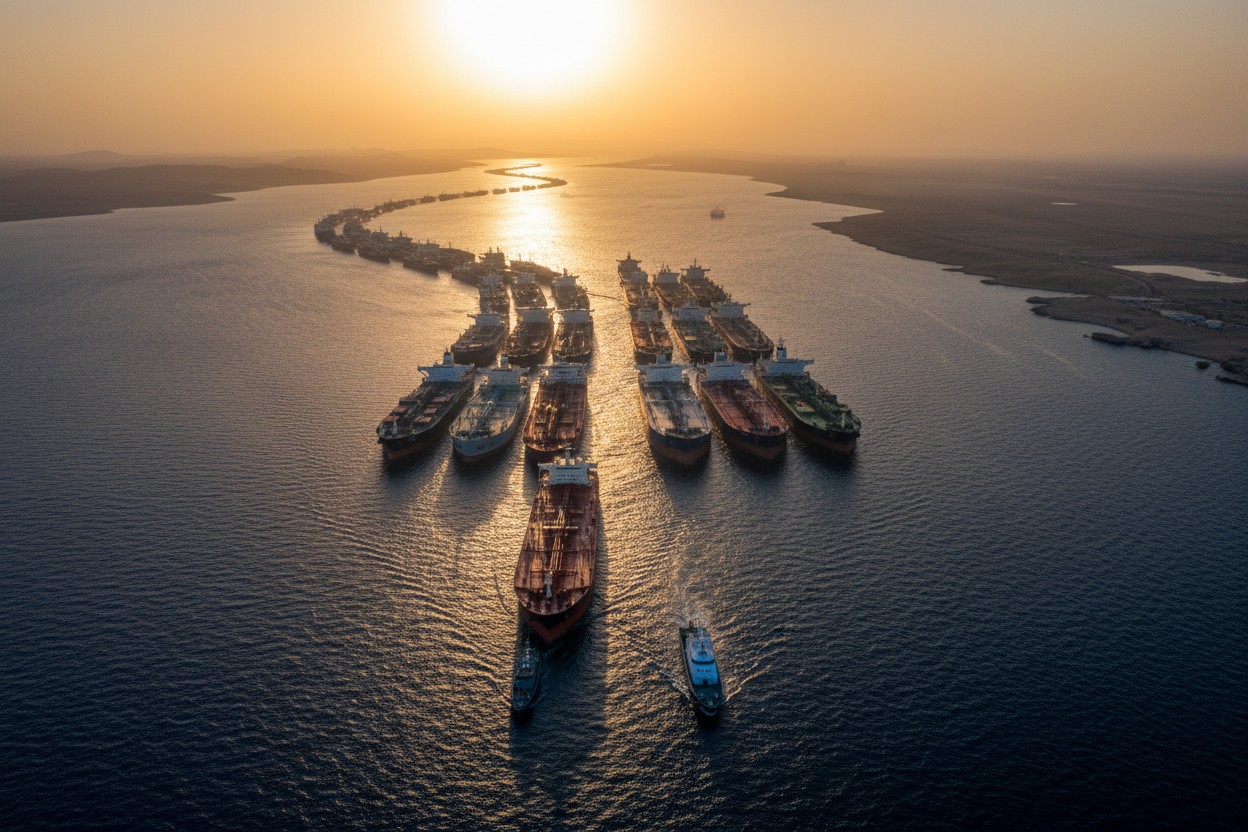
The Strait of Hormuz has moved to the center of a fast-widening Middle East confrontation after Iran announced the closure of the strategic waterway on July 12, 2026, according to the report. The development raises the stakes in an already volatile environment, with the passage long viewed as one of the world's most sensitive maritime chokepoints.
The reported move is also described as a major test for the relationship between Iran and Oman. With the strait linking their coastal interests and regional influence, any disruption there carries political and diplomatic consequences beyond the immediate military tensions.
The article frames the closure as part of a broader escalation tied to a US-Israeli war that is now spilling into a wider regional crisis. That shift suggests the conflict is no longer confined to direct combatants, but is increasingly affecting neighboring states, alliances and the broader balance of power across the Middle East.
As tensions rise around the Strait of Hormuz, the risk of deeper instability appears to be growing. The situation could reshape regional calculations, with maritime access, geopolitical partnerships and security concerns all coming under new pressure.