Saudi Arabia’s oil export system is becoming more dependent on the Suez Canal as regional shipping risks grow. Pressure in the Strait of Hormuz, along with instability affecting Red Sea routes, has increased the importance of a single pathway for moving the kingdom’s crude to world markets.
The shift appears tied to efforts to avoid the Strait of Hormuz, long one of the most sensitive chokepoints in global energy trade. Since the conflict involving Iran escalated, Saudi Arabia has increased the movement of oil across its own territory to the Red Sea coast rather than relying as heavily on Gulf export routes.
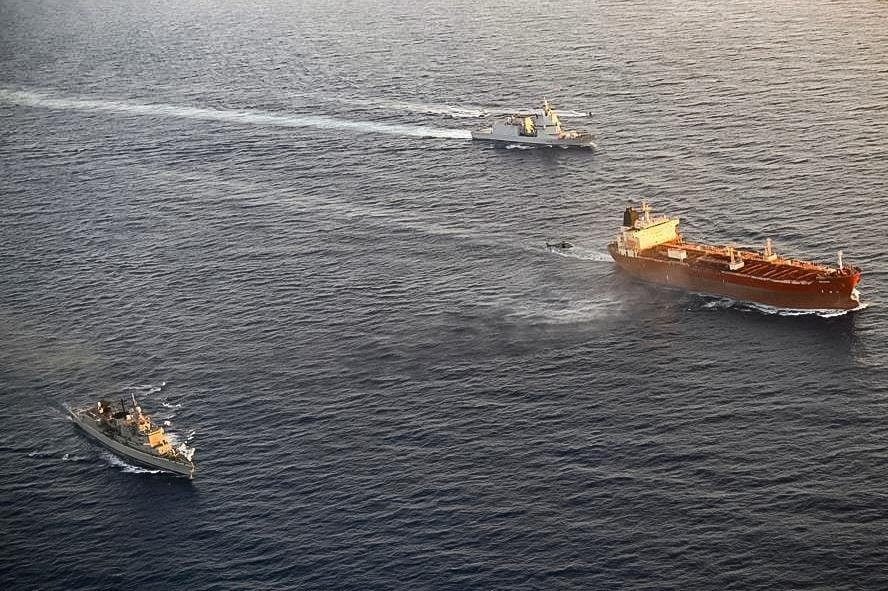
That workaround reduces exposure to one bottleneck but raises dependence on another. With more barrels heading west, the Suez Canal has become even more central to Saudi export flows and to broader market stability. In effect, risk is being concentrated around a different narrow passage.
For global energy markets, the development highlights how vulnerable oil trade remains to regional disruptions. When major producers are forced to reroute shipments around conflict zones, the world’s supply chain can become more reliant on a small number of strategic maritime corridors.