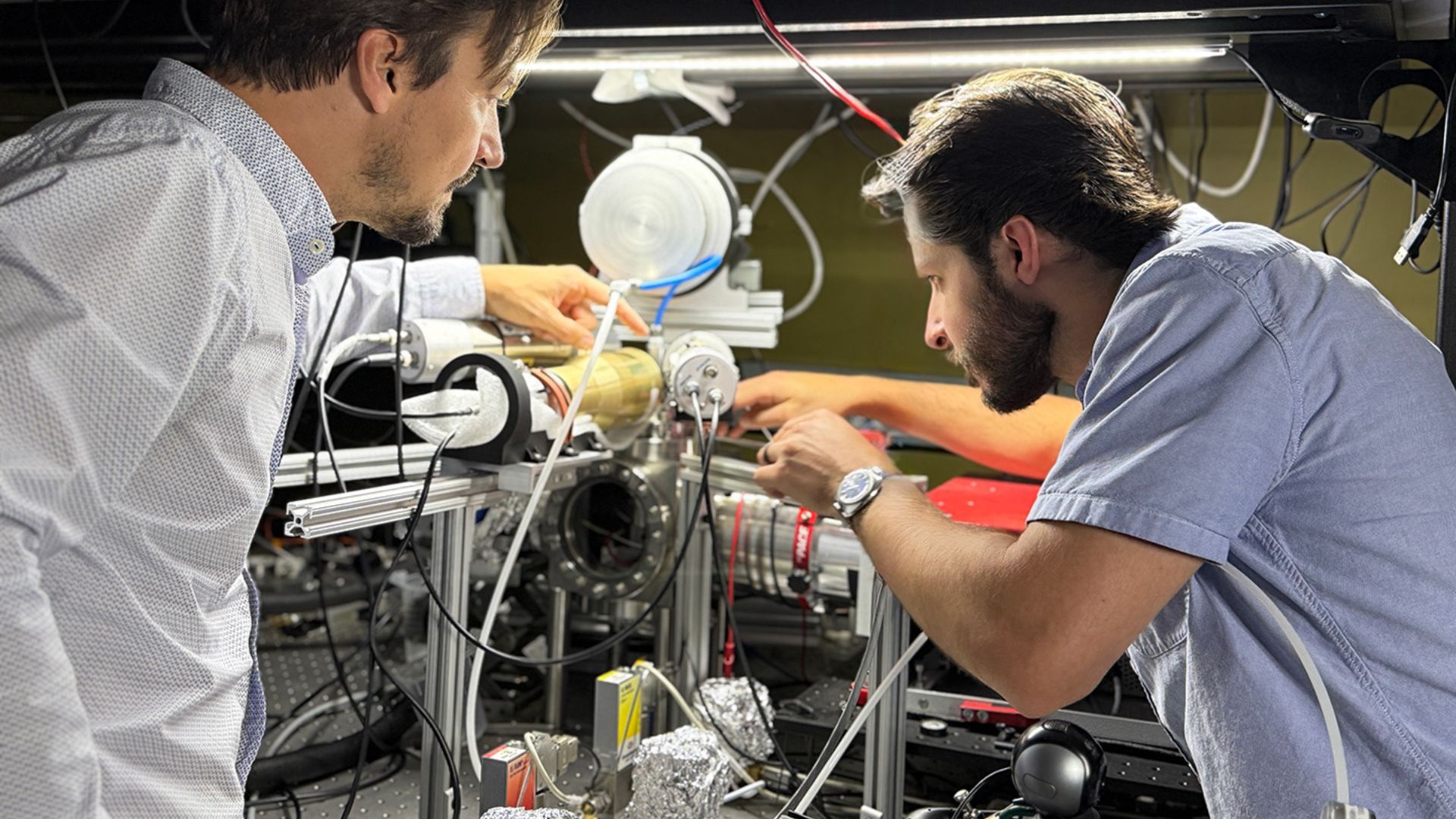
Researchers at UC Davis and Lawrence Berkeley National Laboratory report that host metals can significantly raise low-energy nuclear fusion rates. Based on the study described in the report, the material surrounding reacting particles appears to make fusion occur more frequently than expected under low-energy conditions.
The finding is notable because fusion is usually associated with extremely high temperatures and pressures. In these US tests, scientists focused on how the local environment inside a metal can change the odds of fusion events, pointing to a materials-based effect rather than simply adding more energy.
According to the summary, the work suggests that the structure or properties of host metals may help create conditions that favor fusion at lower energies. That does not mean fusion becomes easy or immediately practical, but it does indicate that surrounding materials can play a much bigger role than many people assume.
The study opens a new line of research for low-energy nuclear fusion, especially for teams investigating how engineered materials influence nuclear processes. If confirmed and expanded by future experiments, the results could improve scientific understanding of fusion behavior inside solids and guide new approaches to fusion-related materials design.