Astronomers are studying TOI-5882, an older Sun-like star that appears to hold far more lithium than expected for its age. That stands out because stars of this type usually destroy much of their lithium as they evolve, so a strong lithium signal can point to an unusual event.
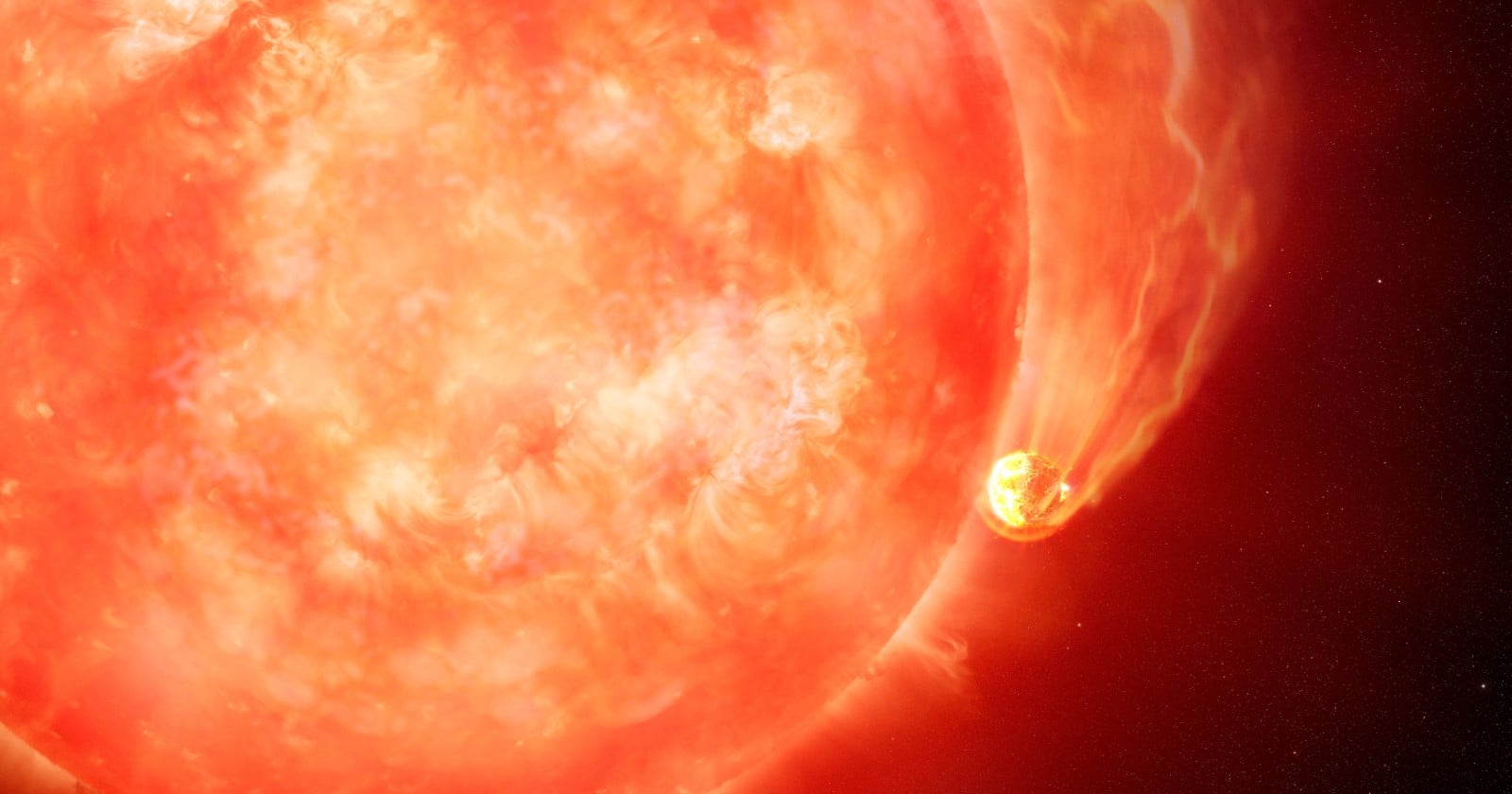
The leading explanation is that the star may have absorbed one of its own planets. If a planet drifted inward and was consumed, it could have temporarily enriched the star’s outer layers and left behind the chemical trace now being observed. Researchers describe that scenario as the most likely fit for the evidence so far.
Even so, the team is not presenting the idea as a final verdict. The star is being treated as a candidate case of planet engulfment rather than a confirmed example, which means astronomers still need to test whether other processes could also explain the excess lithium.
If the interpretation holds up, TOI-5882 would offer a useful clue about how planetary systems change over time. It would also help researchers understand how interactions between aging stars and nearby worlds can leave behind detectable chemical signatures long after the event itself.