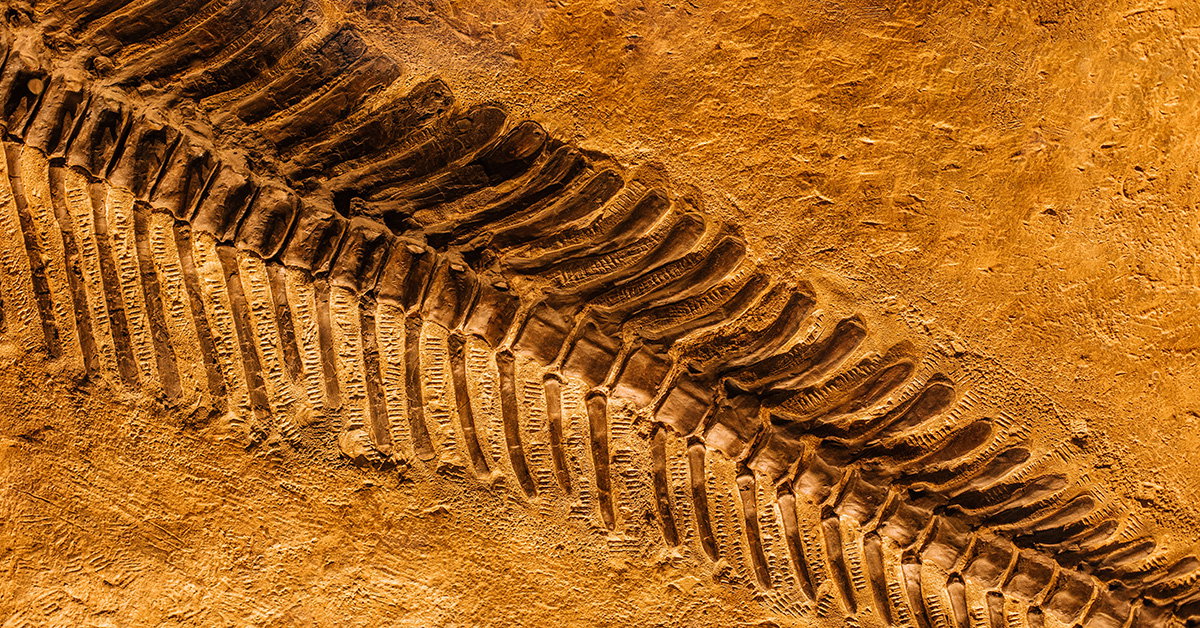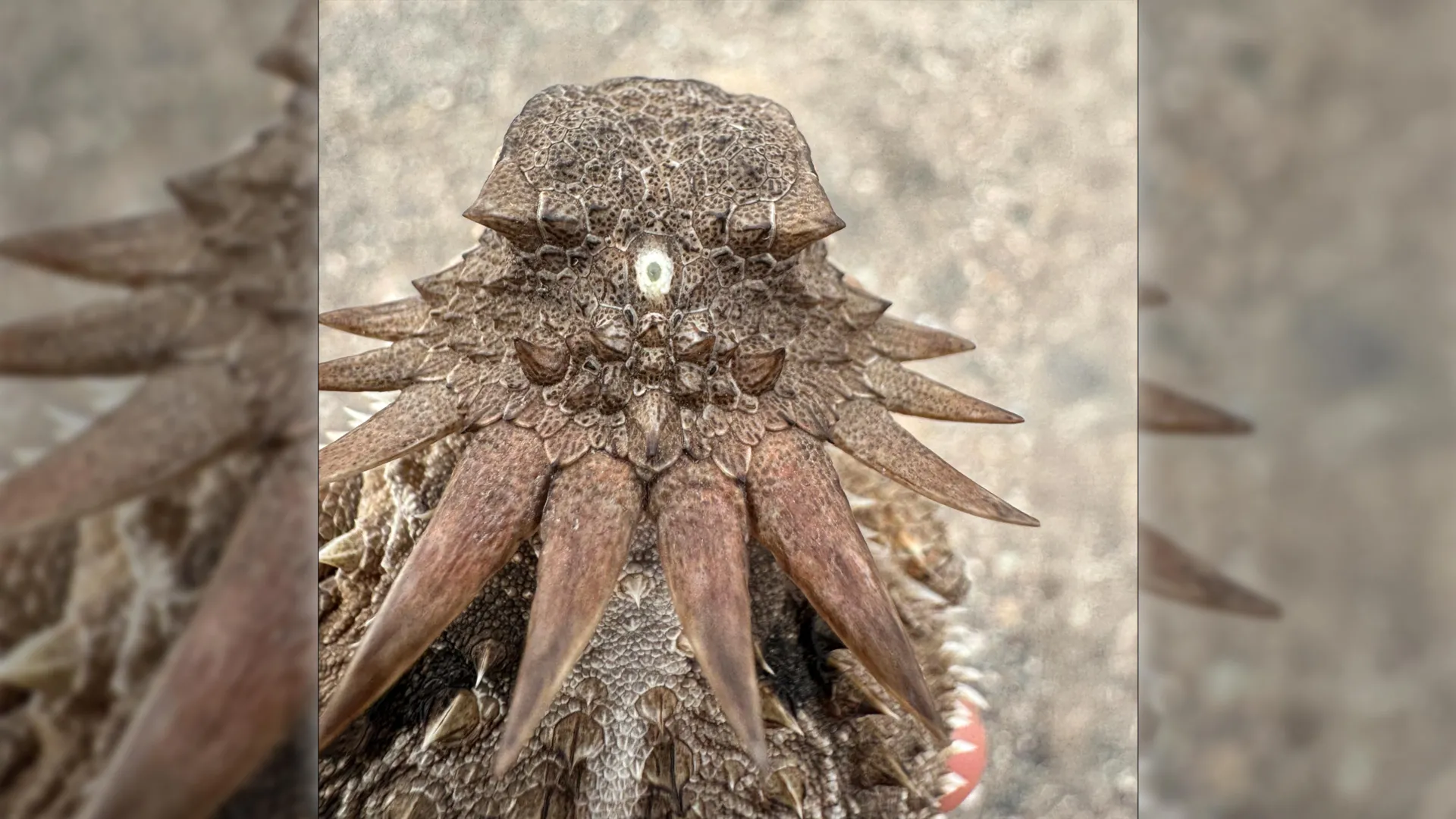
Scientists say the story of human vision may begin with a tiny creature that had just one eye. According to new research from Lund University and collaborators, humans and all other vertebrates may trace their eyes back to an ancient ancestor that lived nearly 600 million years ago and carried a single median eye on the top of its head.
The study points to that unusual eye as an important starting point in the evolution of vertebrate vision. Rather than viewing the complex eyes of fish, birds, reptiles and mammals as entirely separate later developments, the researchers suggest they may share deep roots in this early light-sensing structure.
The work also connects that ancient median eye to a body part still present in humans today: the pineal gland. In modern vertebrates, the pineal gland helps coordinate biological rhythms with environmental light, linking the new findings not just to how eyes evolved, but also to how the body keeps time.
If the idea holds up, it could reshape how scientists think about one of the most familiar parts of the human body. A structure that now helps regulate daily rhythms may be the surviving remnant of a primitive eye, offering a striking glimpse into how major vertebrate features emerged from very simple beginnings.