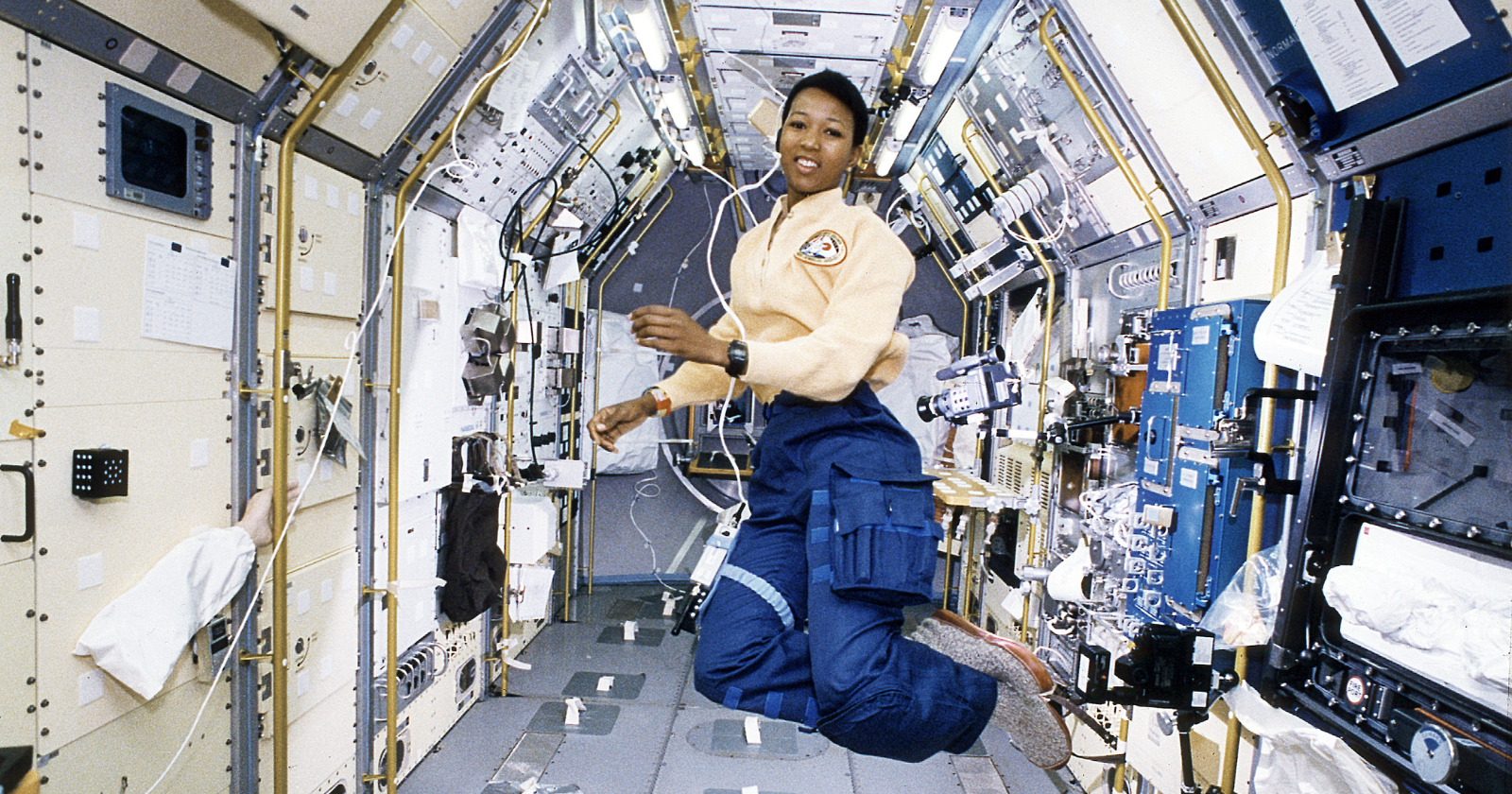
A year in orbit can change the human body in ways that become most obvious only after landing. According to the report, the real strain is not always during the mission itself, but in the difficult transition back to Earth's gravity. NASA astronaut Frank Rubio's return highlights how the body, and especially the spine, can struggle when weightlessness ends.
In space, astronauts spend months adapting to microgravity. Over time, muscles, posture and the structures that support the back adjust to an environment where the body no longer carries its normal weight. That makes daily life in orbit manageable, but it also means the body is no longer prepared for the immediate demands of standing, walking and moving under full gravity again.
The spine is one of the first areas to feel that change. After a long mission, the back has to handle pressure and alignment in a way it has not for months, which can make the return physically punishing. The article suggests that gravity becomes the unexpected challenge, turning the trip home into a major test of recovery rather than a simple end to the mission.
The broader takeaway is that long-duration spaceflight is not only about surviving in orbit, but also about rebuilding the body afterward. As agencies plan longer missions, including future deep-space travel, understanding how astronauts recover from extended weightlessness will remain a key part of protecting their health on the way back to Earth.





