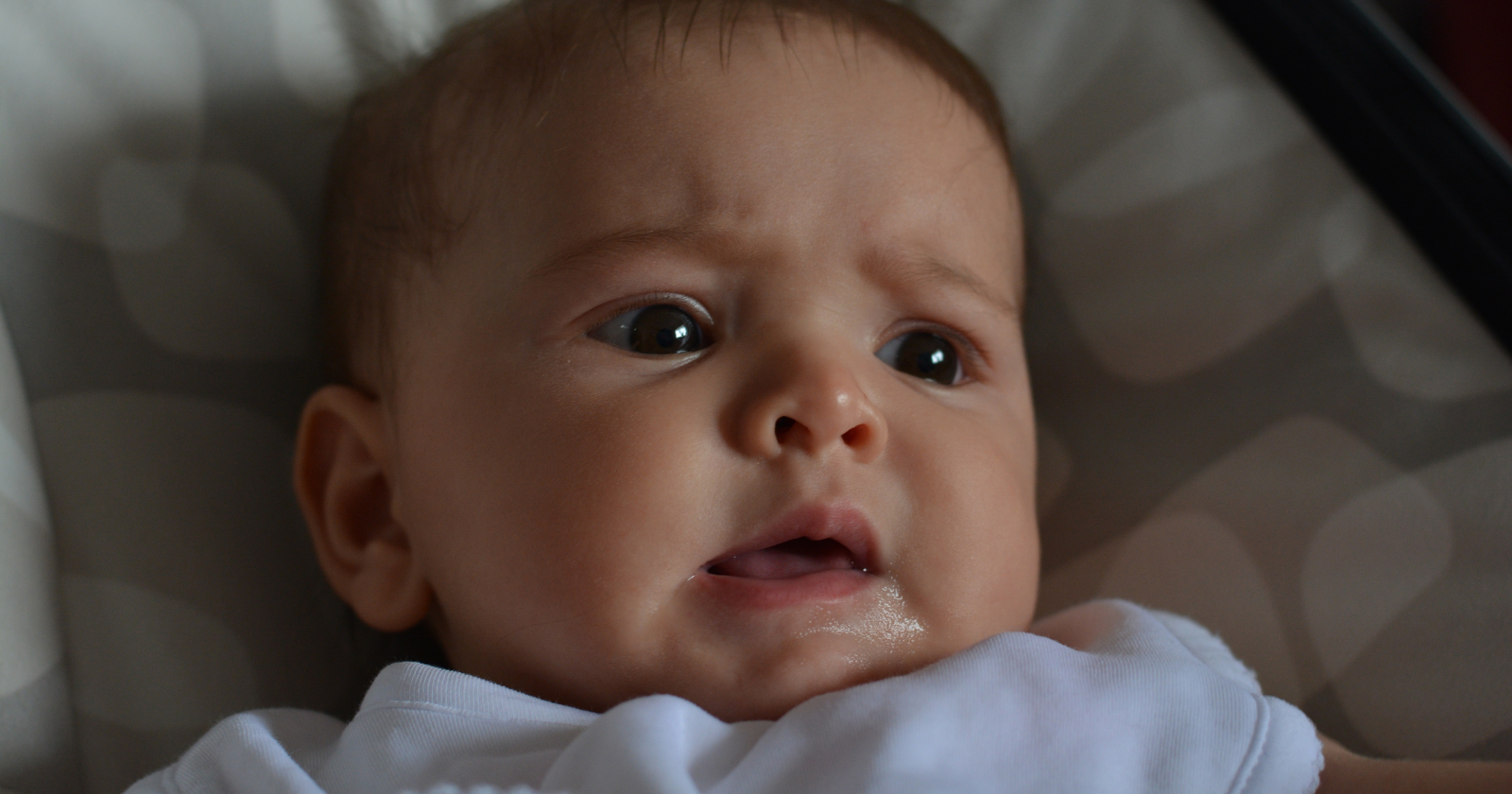
A small study in Uppsala, Sweden suggests that babies as young as six months old may be especially tuned to notice spiders. In the experiment, researchers seated sixteen infants on their parents’ laps in a windowless room and showed them photographs while tracking their responses.
The key comparison was between spider images and flower images that were matched for size and colour. When the babies looked at the spider pictures, their pupils widened more than they did for the flower photos, indicating a stronger physiological reaction.
Researchers interpret that change as a sign of heightened attention or arousal, and the finding adds to the idea that humans may be biologically prepared to detect certain potentially threatening animals very early in life. Because the infants were only six months old, the result has been framed as evidence that this sensitivity may appear before meaningful real-world experience with spiders.
At the same time, the study was limited in size, and the result does not mean babies understand spiders in the same way older children or adults do. What it does suggest is that even in early infancy, spider-like images may stand out more strongly than similar non-threatening objects such as flowers.