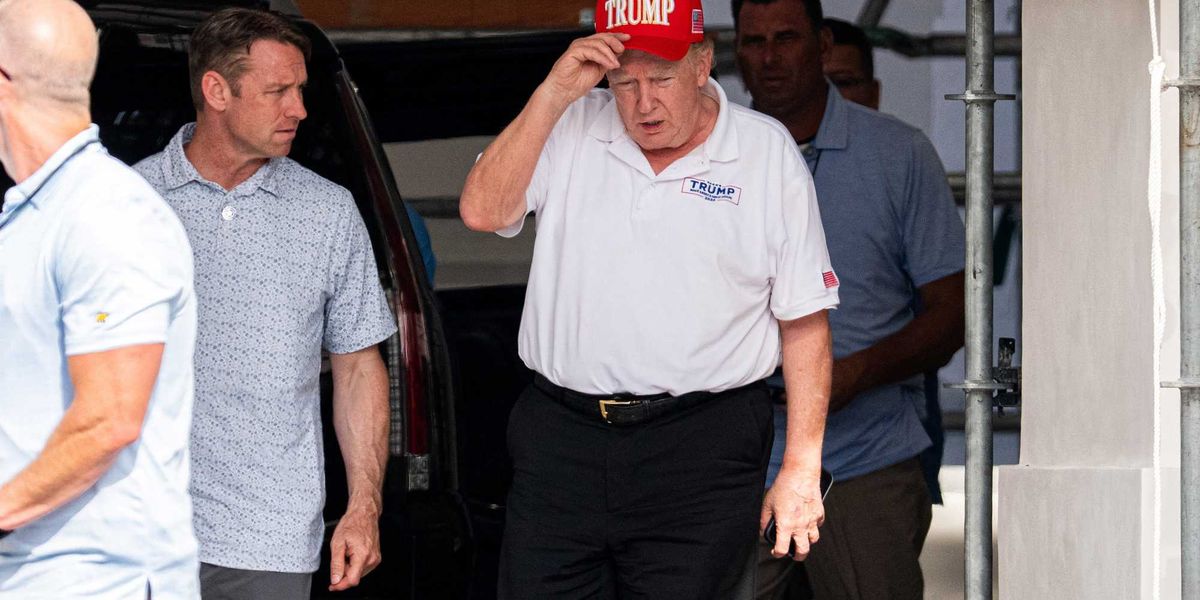
A new commentary links Donald Trump’s recent talk about his own death to the approaching 25th anniversary of the September 11 attacks, arguing that the combination is especially unsettling in American politics. With the country nearing another major 9/11 milestone, the piece frames Trump’s mortality remarks as more than a personal aside.
The article begins by stressing how close the nation is to that anniversary and revisits the shock of 9/11, when the attacks brought war and insecurity to the United States in a direct and traumatic way. That memory, the writer suggests, still shapes how many Americans think about leadership, national danger, and political rhetoric.
Against that backdrop, Trump’s comments about his own death are presented as alarming rather than merely reflective. The argument is not simply about age or biography, but about what it means when a dominant political figure invokes mortality while the country is also being reminded of one of its darkest modern moments.
In that sense, the commentary uses the coming 9/11 anniversary to underscore a broader concern: when fear, memory, and political power converge, even personal remarks can carry wider consequences. The result is a portrait of a political climate in which Trump’s words are being interpreted through the lens of national trauma as much as through his own public image.