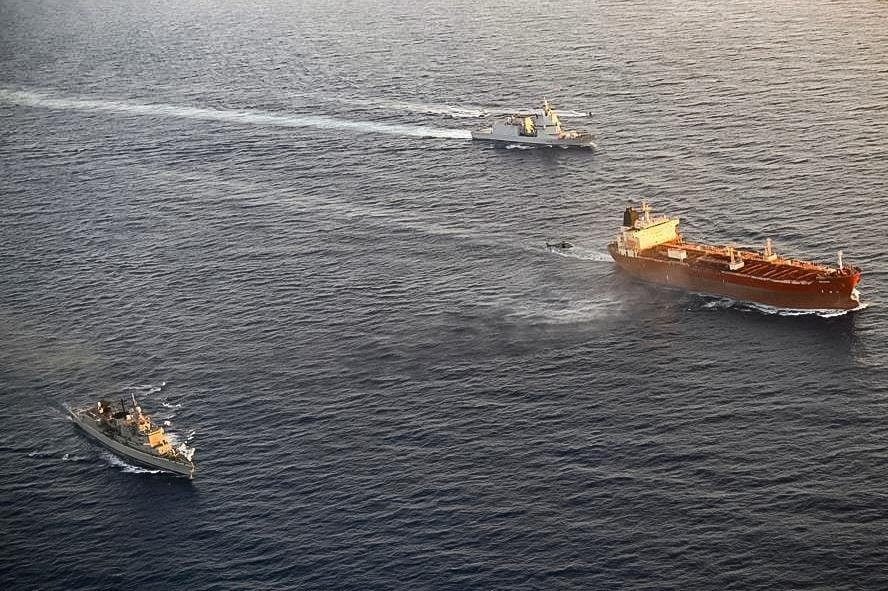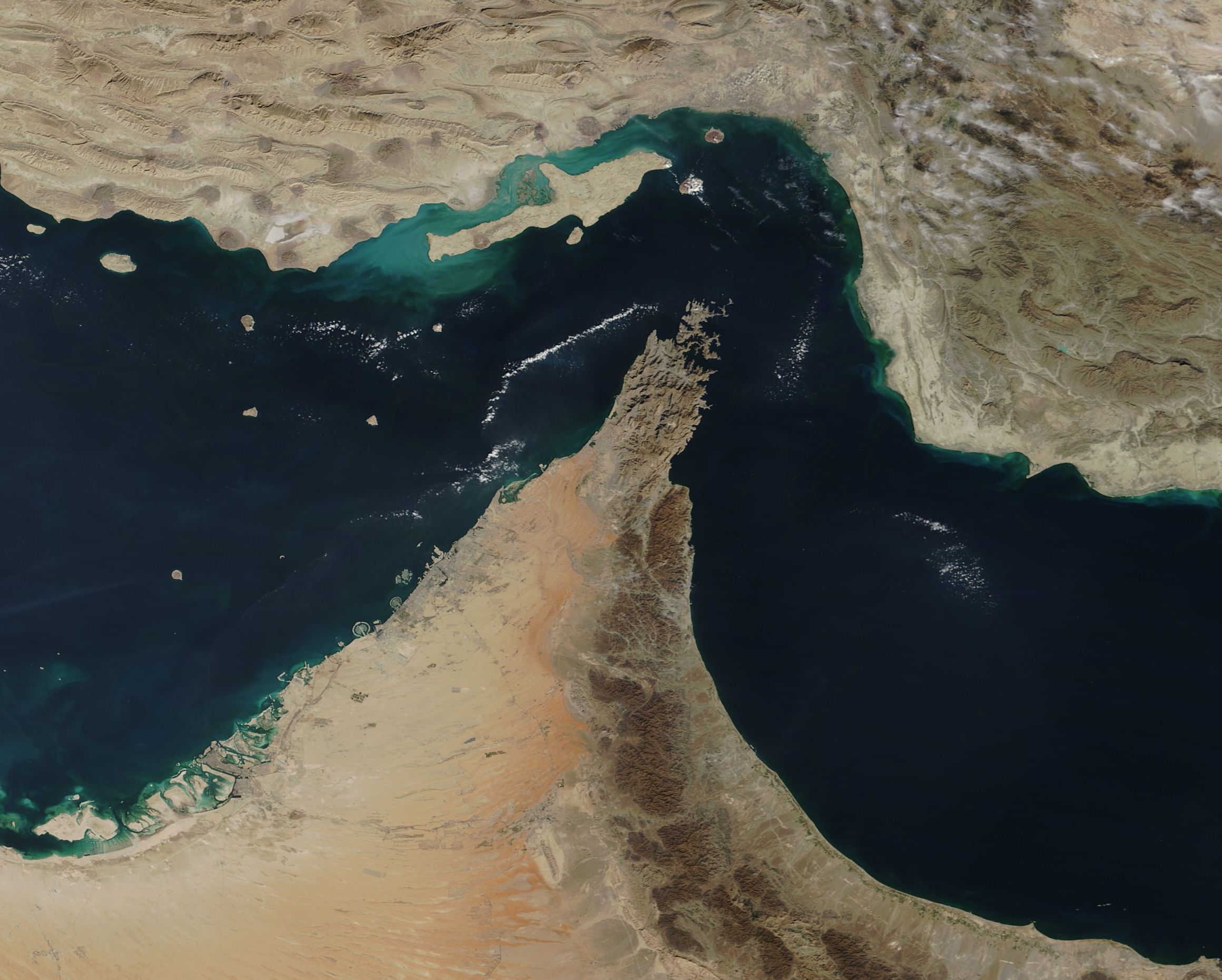
Tanker traffic through the Strait of Hormuz has slowed to almost a halt as attacks on commercial vessels continue, deepening a major security and energy crisis in one of the world’s most important shipping lanes. The disruption has helped drive oil above $100 a barrel, underscoring how quickly instability in the Gulf can affect global markets.
The latest escalation comes amid a broader confrontation involving the United States, Israel and Iran. Donald Trump warned Iran over the tanker attacks, adding to already high tensions as governments and traders assess the risk of further incidents in and around the strait.
The Strait of Hormuz is a critical route for global crude flows, so even a sharp slowdown in vessel movement can have immediate consequences for supply expectations and pricing. With shipping activity severely reduced, concerns are growing over higher fuel costs and wider pressure on international energy stability.
The surge in oil prices reflects more than short-term market anxiety. If attacks continue and tanker traffic remains heavily disrupted, the Strait of Hormuz crisis could become a prolonged threat to global energy supplies and a larger flashpoint in the regional conflict.