The conflict involving Iran widened over the weekend even as the United States reportedly paused its nightly strikes. Attention shifted toward the Red Sea after Yemen’s Iran-aligned Houthi movement attacked Saudi oil installations along the coast, opening another front in an already volatile regional crisis.
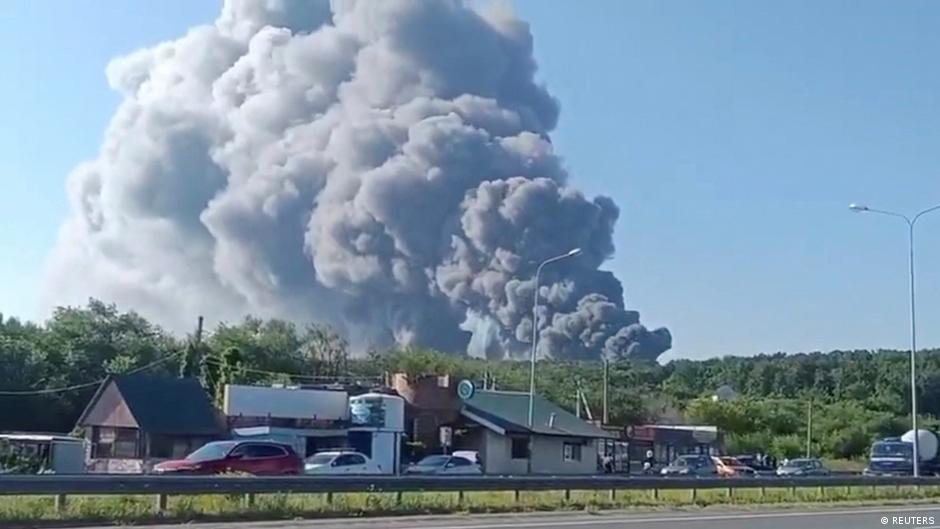
At the same time, Tehran said Ukraine was responsible for a deadly attack on an Iranian vessel in the Caspian Sea. The accusation added a new international dimension to the war, suggesting the fallout is no longer limited to direct US-Iran tensions or to the immediate Gulf region.
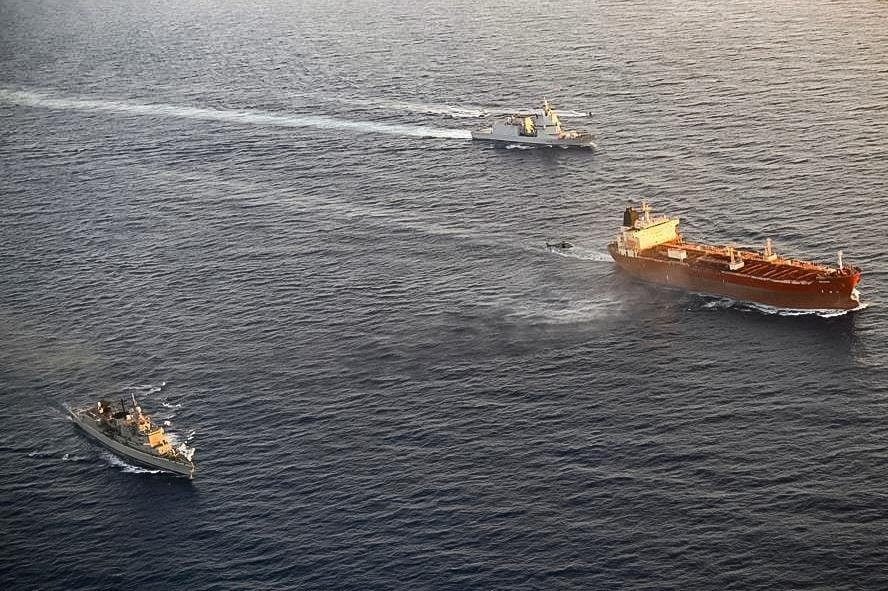
The combination of a pause in US attacks and fresh violence elsewhere points to a conflict that is spreading geographically rather than easing. Fighting and reprisals now appear to be touching multiple waterways and energy routes, from the Caspian Sea to the Red Sea, raising concern about broader instability.
With Saudi oil infrastructure targeted and Iran making new claims over the vessel attack, the latest developments underline how quickly the crisis is evolving. Even without continued nightly US strikes, the war is showing signs of expansion through allied groups, strategic shipping areas and competing regional interests.