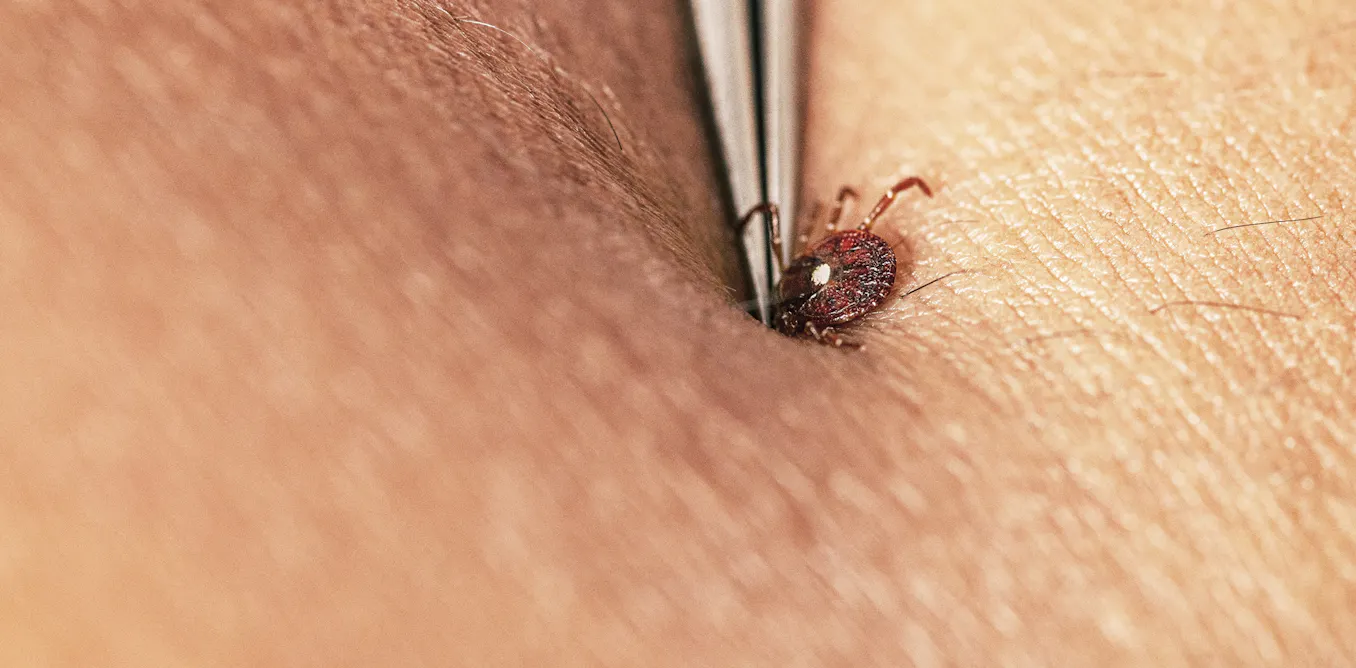
Ticks can be easy to miss, but the illnesses they spread can have serious health effects. The report highlights the scale of the risk, noting that deer ticks are linked to hundreds of thousands of new Lyme disease cases in the United States each year. That makes prevention especially important for people spending time in yards, parks and wooded areas.
A tick disease researcher outlines a practical approach to lowering exposure. Key habits include doing careful tick checks after time outdoors, using a lint roller to help remove ticks before they attach, and taking extra care after walking a dog or working in brushy areas. Simple routines like checking clothing, shoes and skin can help catch ticks early.
The advice also points to the role of certain chemicals in prevention. Depending on the setting, that can include repellents or other products used on clothing or around outdoor spaces. Keeping yard areas less inviting to ticks and staying alert on hikes can further reduce the chance of bringing them home.
If a tick does attach, acting promptly matters. Removing it as soon as possible and watching for symptoms afterward can help limit risk. The broader message is that a few consistent precautions before and after time outside can make a meaningful difference in avoiding tick bites and the diseases they may carry.






:max_bytes(150000):strip_icc()/7-Day-No-Sugar-Anti-Inflammatory-Meal-Plan-for-High-Blood-Pressure-Created-by-a-Dietitian-c6696d6705694753a894d727309a4e26.jpg)