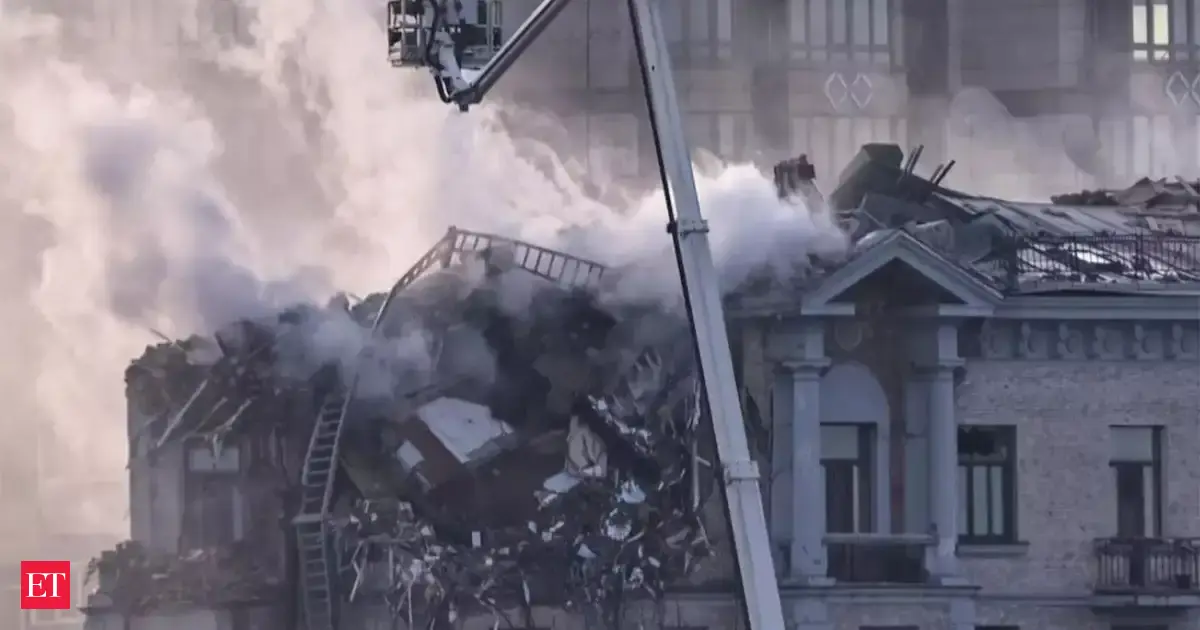
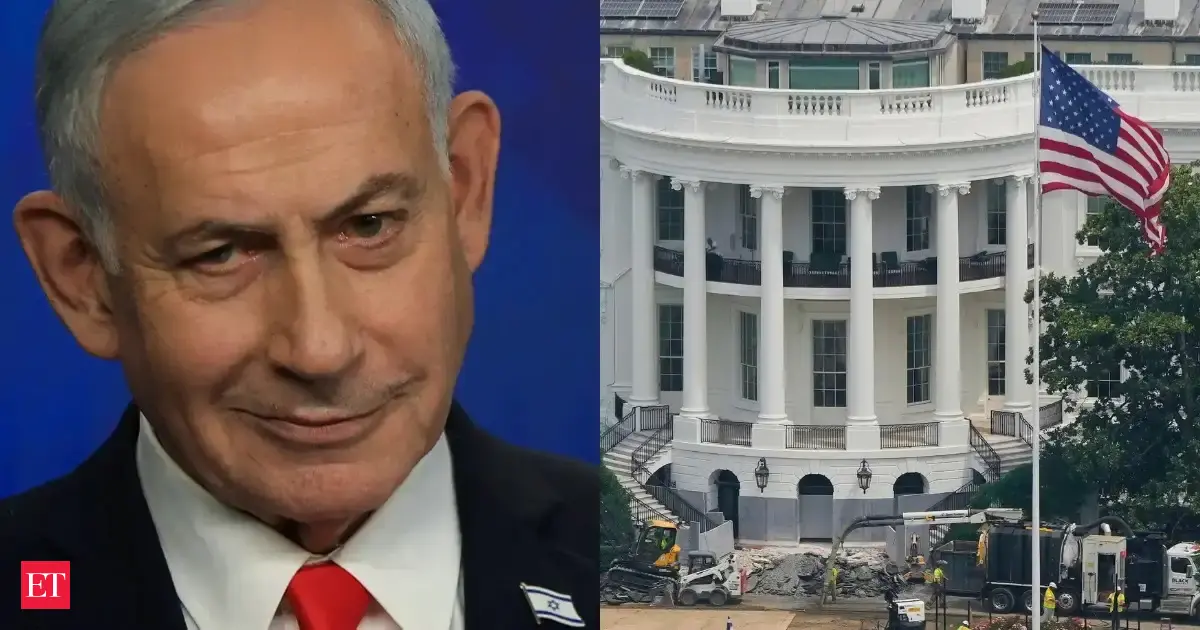
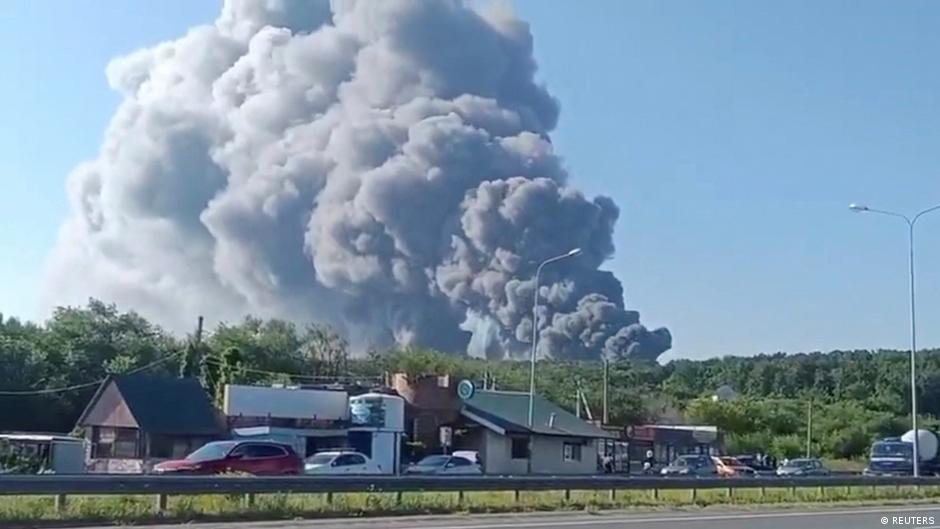
A new analysis of the Israel-Iran war highlights what it calls a central paradox: Israel is described as having set the conflict in motion, yet it has absorbed relatively few of its costs. The argument challenges the usual wartime framing by shifting attention from battlefield rhetoric to who is actually carrying the political, military and economic burden.
Since fighting broke out on February 28, the confrontation has often been presented as an existential struggle for both Tel Aviv and Tehran. But a broader reading of the past five months, according to the piece, suggests that the consequences have not fallen evenly on the two sides.
That imbalance is the heart of the article's argument. While the war has been cast in dramatic terms for both countries, the structural picture points to Israel facing less of the direct fallout than Iran. In that sense, the story is less about slogans of survival and more about how power and cost are distributed in a prolonged conflict.
The piece ultimately reframes the war as a test not only of military endurance but of who can shift the price of escalation onto others. By focusing on that gap, it presents the Israel-Iran conflict as a case where the side seen as initiating the war has, so far, avoided much of the damage normally associated with it.