The Israeli attack on southern Lebanon is presented as more than a military development. In the article’s framing, it is also part of the wider conflict and negotiation cycle involving the United States and Iran, with Lebanon pulled into the crisis because of Hezbollah’s close religious, political, and historical links to Tehran.
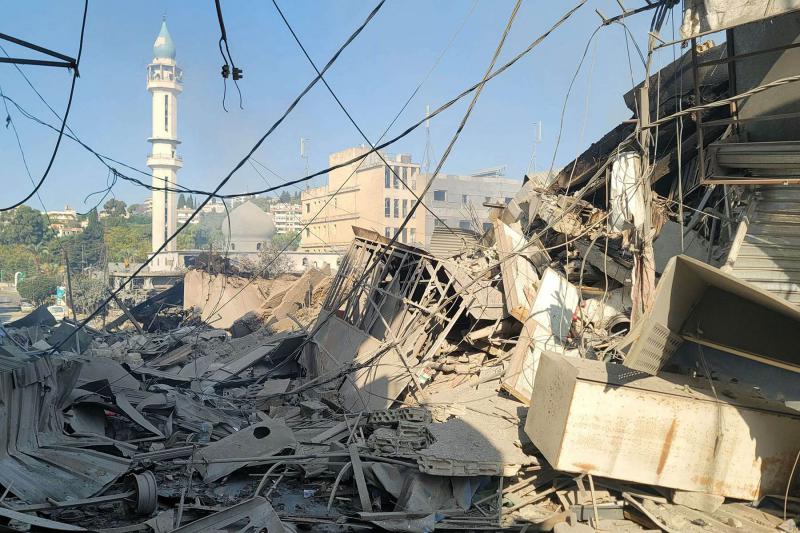
The piece points to the heavy destruction in the south, especially in areas such as Nabatieh, where ruined buildings have become a visible sign of the assault’s impact. That devastation is used to highlight how ordinary Lebanese communities are bearing the cost of a regional power struggle that extends beyond Lebanon’s borders.
At the center of the argument is the idea that selective memory weakens Lebanese patriotism. The article suggests that public narratives about war, resistance, sectarian identity, and foreign alliances are often remembered unevenly, making it harder to build a shared national perspective. In that reading, the divisions surrounding Hezbollah are not only military or political, but also rooted in competing versions of Lebanon’s recent past.
By linking battlefield destruction, regional diplomacy, and internal identity debates, the story portrays Lebanon as a country facing both external pressure and internal fragmentation. Its core message is that the struggle over memory and national belonging remains central to how many Lebanese understand the current war and their country’s future.