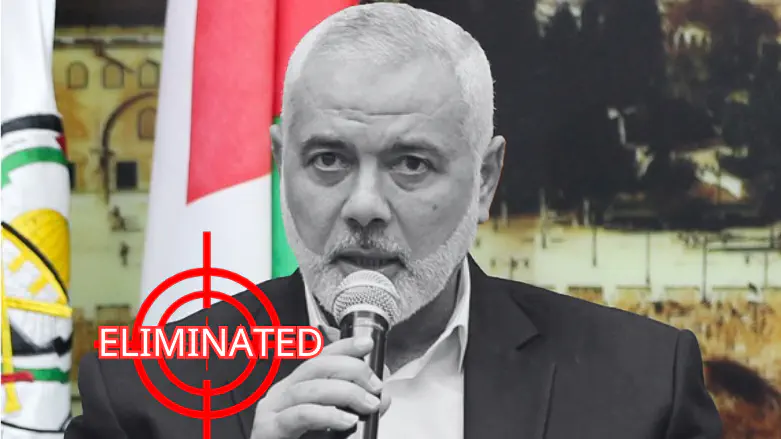
An opinion article is raising a provocative question about Ismail Haniyeh’s role before the October 7 attack. It asks whether one of Hamas’s best-known leaders may once have been viewed as an Israeli intelligence asset, and whether that perceived trust was later turned into a major strategic deception.
The argument highlighted in the piece centers less on Haniyeh’s death and more on how long he remained alive while other senior Hamas figures were targeted over the years. The snippet points to Israel’s 2004 killing of Hamas founder Sheikh Ahmed Yassin as part of that contrast, suggesting Haniyeh’s survival became a mystery in itself.
From there, the opinion piece appears to build a broader theory: that Haniyeh’s political longevity may have reflected more than luck, and that his position could have helped shape Israeli assumptions about Hamas before October 7. In that framing, the core issue is whether confidence in Haniyeh or in Hamas’s intentions contributed to a devastating intelligence failure.
Because the available text presents the argument as opinion, the claims should be understood as analysis and speculation rather than established fact. Even so, the article taps into a wider debate over how Israel assessed Hamas leadership, what warning signs may have been missed, and whether long-held beliefs about key figures played a role in the events surrounding October 7.