The debate over Nepal’s place in the world is gaining urgency as the global order changes rapidly. With the post-Cold War framework under strain, countries are rethinking long-held assumptions about power, partnership and international engagement. In that context, the discussion around Nepal’s contributing identity centers on how the country can define a clearer role for itself rather than simply reacting to outside pressures.
The article points to a broader international environment shaped by sharper geopolitical competition and fast-moving technological change. These shifts are not only affecting major powers but also smaller states that must navigate a more uncertain and contested landscape. For Nepal, this means foreign policy choices are becoming more complex as traditional expectations about stability and alignment are tested.
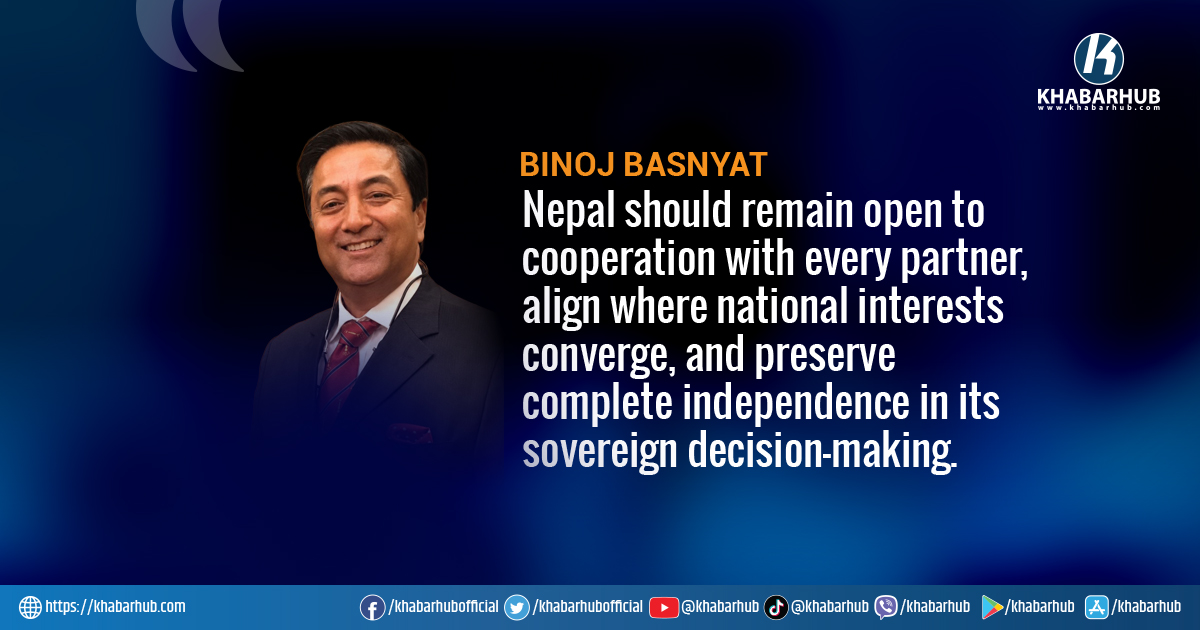
A key theme is the need for Nepal to articulate what it brings to the international system. That idea of a contributing identity suggests a national approach based on purpose, strategic clarity and meaningful participation in regional and global affairs. The emphasis is on finding a role that reflects Nepal’s own interests while remaining constructive in a changing political environment.
As global politics becomes less predictable, the search for Nepal’s identity is also a search for resilience and relevance. The discussion underscores that adapting to a transformed world will require careful diplomacy, a realistic reading of international trends and a stronger sense of how Nepal wants to be seen on the global stage.