Africa’s hunger crisis is worsening in 2025, with 309 million people affected across the continent. The picture emerging is not only one of food shortages, but of long-running structural problems that have made many countries more vulnerable to rising need.
A central issue is the gap between population growth and food production. As the number of people increases, agricultural output has not kept pace, leaving millions exposed to higher prices, weaker supply and recurring shortages. The crisis is being linked to failures in planning, leadership and implementation that have limited the ability of food systems to respond.
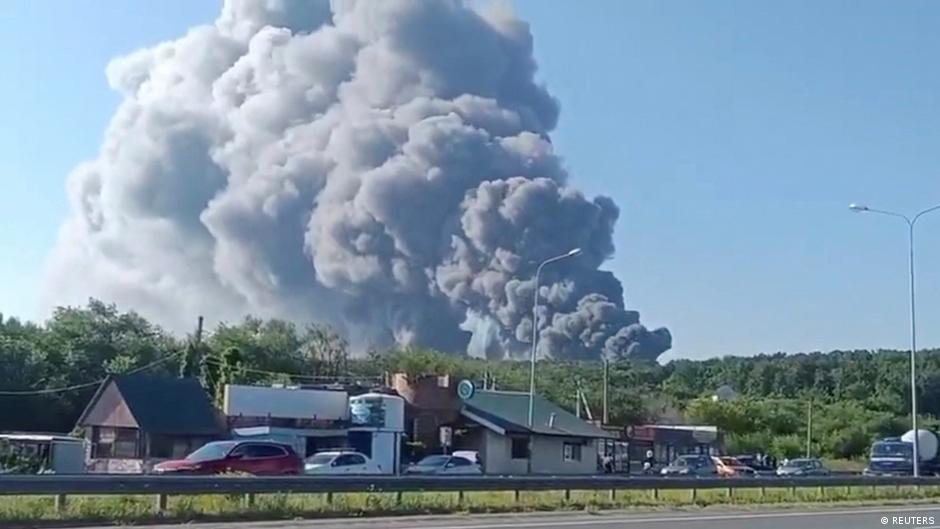
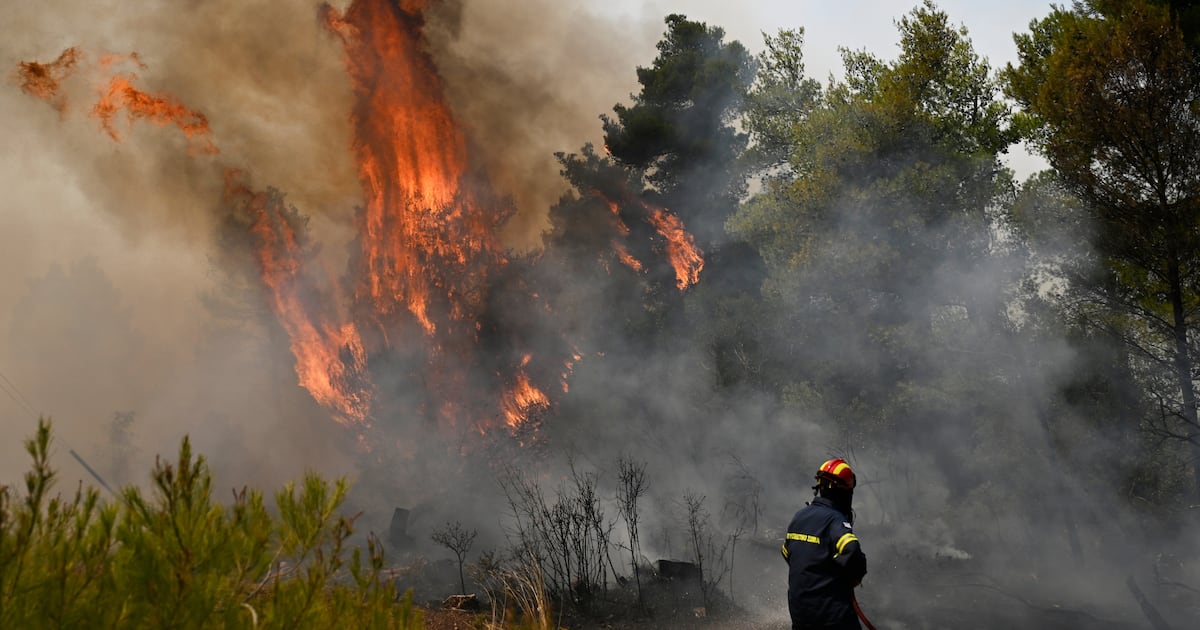
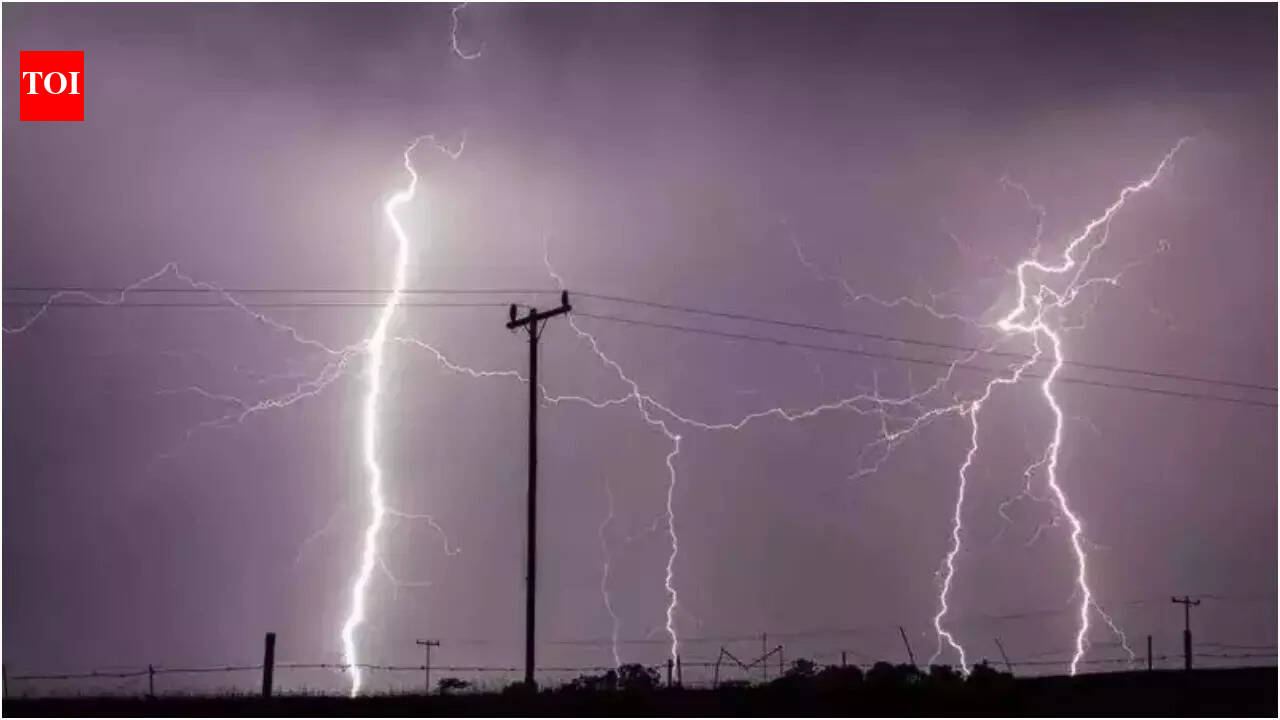
Climate shocks are also adding pressure. Extreme weather can disrupt planting, damage harvests and reduce access to food, especially in places already struggling with fragile farming systems. At the same time, insecurity makes it harder for people to grow, move and buy food, turning local disruptions into broader food insecurity.
The result is a deepening hunger burden shaped by policy weakness, environmental stress and conflict-related instability. Rather than a short-term emergency alone, the crisis reflects wider problems in governance and agricultural resilience that continue to leave Africa at risk of persistent hunger.