India’s decision to operationalize the first batch of Integrated Battle Groups, or IBGs, marks a major step in a military concept that has been discussed for years. First conceived in 2004, the formations are now moving from planning to implementation, giving fresh relevance to a long-running debate about India’s war-fighting posture in South Asia.
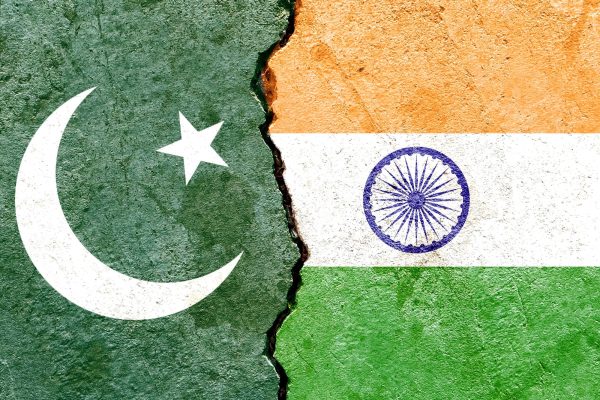
Since their inception, IBGs have often been viewed through the lens of India-Pakistan tensions. They have been presented as smaller, more agile formations designed to support offensive operations against Pakistan while operating under the constraints of a nuclearized environment. That makes their formal rollout significant not only for India’s force structure, but also for Pakistan’s security calculations.
The operationalization of IBGs suggests that India is continuing to emphasize speed, flexibility and readiness in its army organization. For Pakistan, this is likely to be read as part of a broader effort by India to improve its ability to respond quickly in a crisis without relying on slower, more cumbersome mobilization patterns.
At the regional level, the move could sharpen existing strategic concerns between the two nuclear-armed neighbors. Even without any immediate conflict, the arrival of IBGs as a reality rather than just a concept is likely to influence military planning, deterrence thinking and the overall balance of risk in future India-Pakistan confrontations.