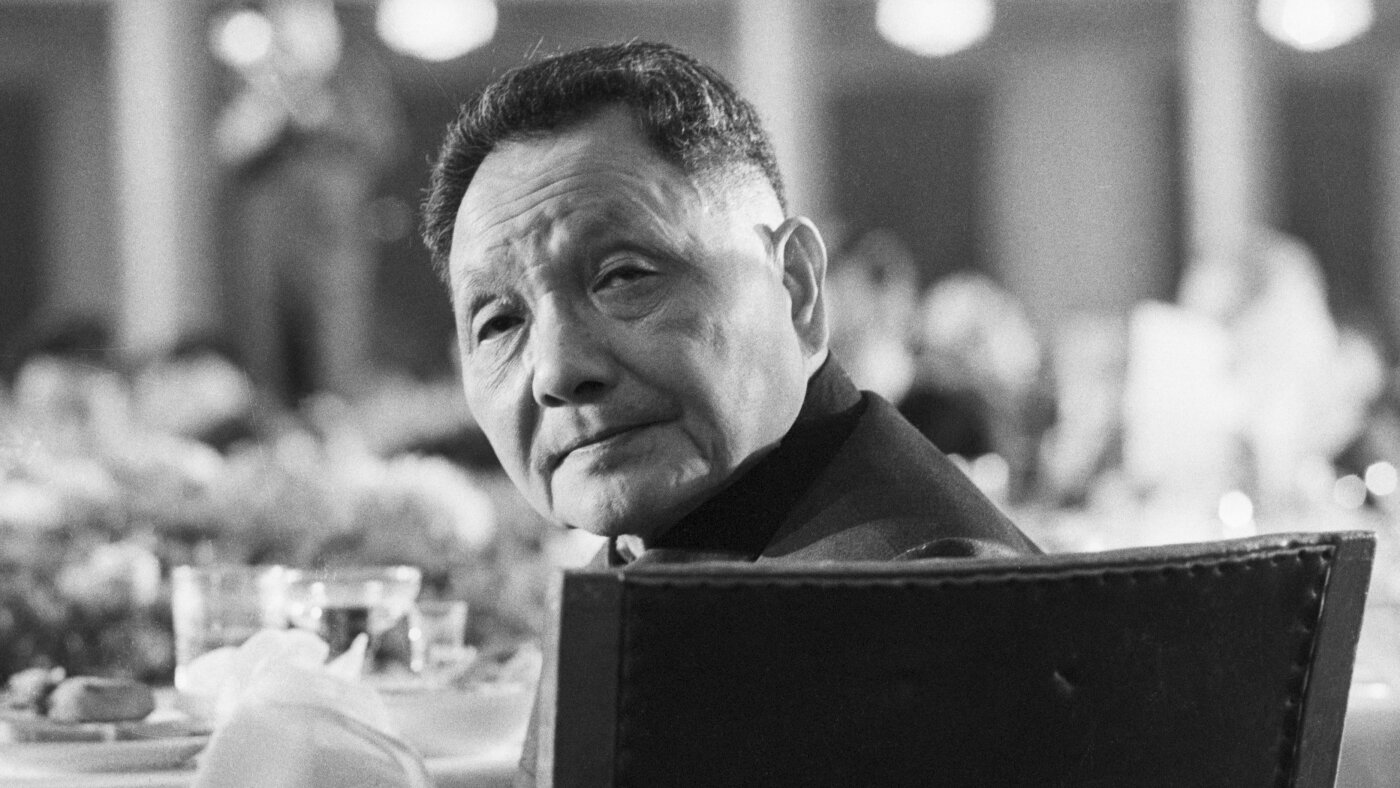
Deng Xiaoping is presented as the central figure behind modern China’s rapid transformation from widespread poverty to global power. After taking control in 1978, he set the country on a new path that moved far faster than many outside observers expected.
The story highlights how Deng’s strategy reshaped China over the following decade. Under his leadership, the country began experimenting with market-oriented change and a limited embrace of capitalism, while still operating under firm political control.
That combination became one of the defining features of China’s rise. Economic reform opened new possibilities for growth, industry and global influence, helping the country move away from earlier hardship and toward a far more powerful international position.
By focusing on Deng’s leadership, the piece frames him as the architect of the system that helped produce modern China. His reforms are portrayed as a turning point that altered not only China’s economy, but also its place in the world.