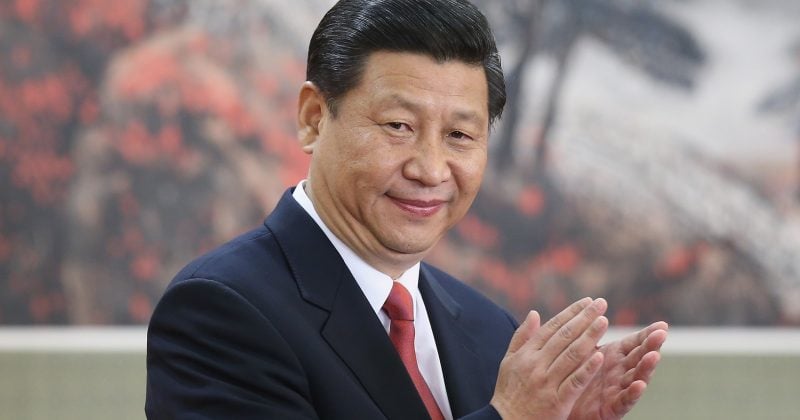
Chinese President Xi Jinping is positioning China to play a leading role in setting global rules for artificial intelligence, backing a new international organization that reportedly includes 29 countries. The move highlights Beijing’s effort not only to expand its influence in AI policy, but also to benefit economically as the technology is deployed more widely.
The announcement points to a broader contest over who will shape the standards, governance frameworks and commercial direction of AI. By promoting a multinational structure around AI cooperation, China appears to be making the case that it should have a central voice in how the technology is regulated and adopted across borders.
The development is also being watched beyond traditional tech circles. The source report links the initiative to possible effects on crypto and decentralized AI markets, where policy direction can influence investment, development models and cross-border participation. Any shift in global AI rules could matter for companies and networks building around open, distributed or blockchain-based approaches.
For markets, the significance lies in the overlap between regulation and opportunity. If China can help shape the global conversation on AI governance while accelerating domestic and international rollout, it could strengthen its position in the next phase of tech competition and create ripple effects across AI-related digital assets and infrastructure.