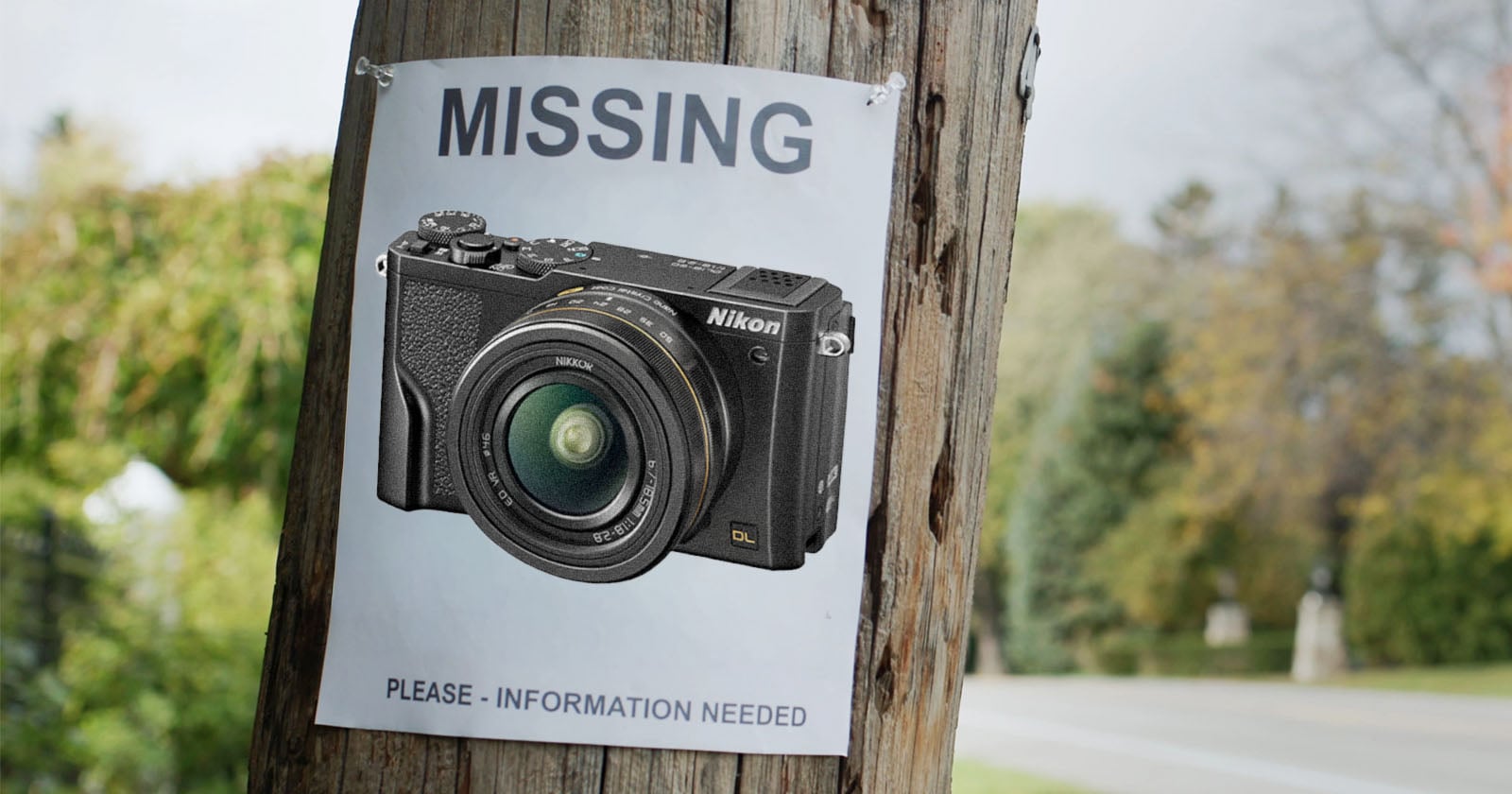
In February 2016, Nikon made a major product splash during a period when DSLRs still dominated much of the camera conversation. The company introduced the flagship D5 and the enthusiast-focused D500, while also revealing a new family of premium Type 1 compact cameras called the Nikon DL series.
That made the DL launch stand out. Rather than focusing only on big interchangeable-lens bodies, Nikon was also signaling interest in a higher-end compact segment. On paper, the DL line looked like an important extension of Nikon’s camera strategy at a time when buyers still wanted serious imaging tools in smaller packages.
What makes the story memorable now is that the Nikon DL compact cameras were ultimately canceled. As a result, the series has taken on a kind of unfinished status in camera history: announced with momentum, tied to a major Nikon launch window, and then remembered more for what it could have been than for what it became.
That is why the canceled DL lineup still attracts attention years later. For many camera followers, it represents a missed chapter in Nikon’s product history, arriving in a transitional moment for the industry and then disappearing before it could fully define its place. The continued interest shows how some canceled cameras can remain relevant long after their original debut.