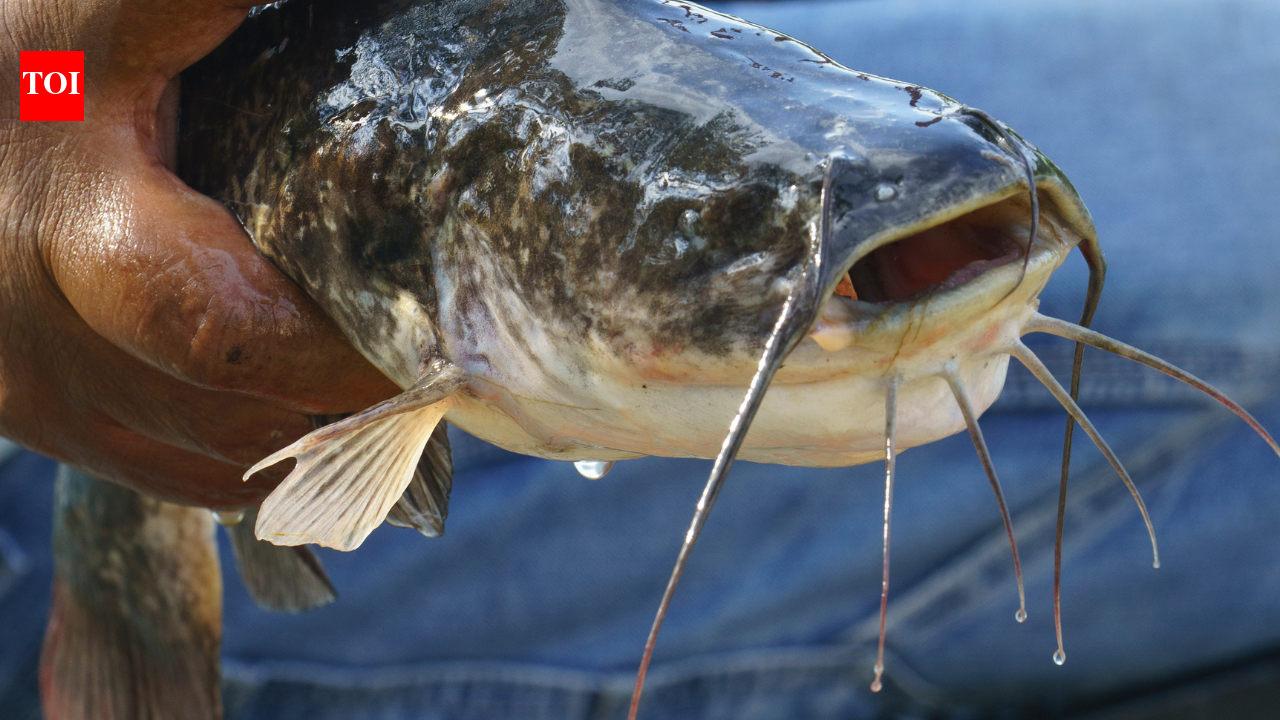
Scientists have reported what appears to be the first known transmissible cancer in a freshwater fish, describing it as a rare melanoma. The finding stands out because cancer is usually understood as a disease that starts and grows within a single body, rather than moving between individuals.
Transmissible cancers are considered extremely uncommon. In this case, the discovery suggests that cancer cells themselves may be passing from one freshwater fish to another, rather than each animal developing the disease independently. That makes the case important not only for fish biology, but also for the broader study of how cancer can behave in unusual conditions.
Researchers say the melanoma adds a new example to the short list of cancers known to spread in this way. It also widens the scientific picture by showing that such a phenomenon is not limited to previously documented settings and can occur in a freshwater species as well.
What scientists know so far is still limited, but the discovery raises key questions about transmission, survival of cancer cells outside one host, and the environmental or biological factors that allow such a disease to persist. As more details emerge, the case is likely to shape future research on cancer evolution and disease spread in animal populations.





