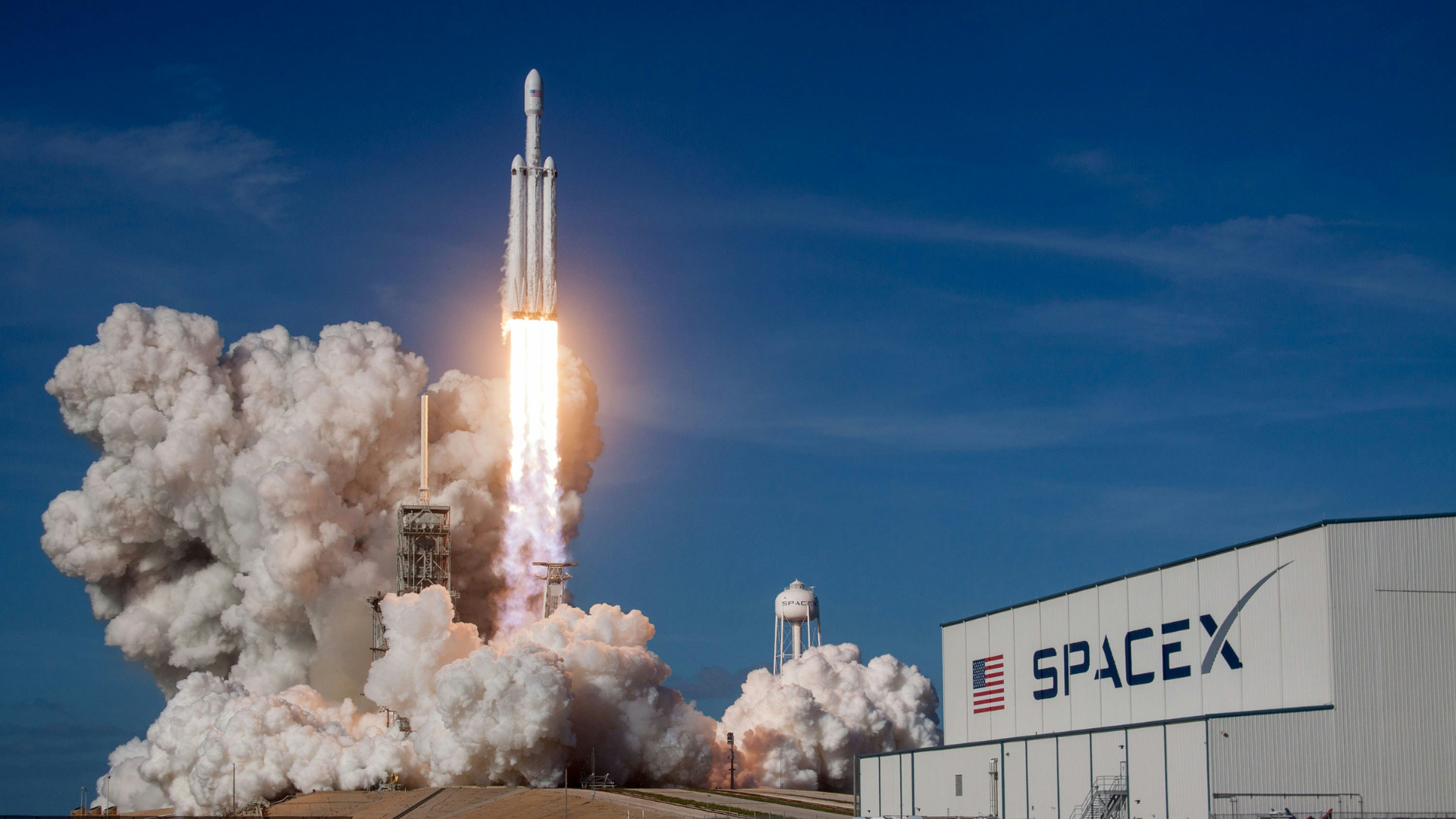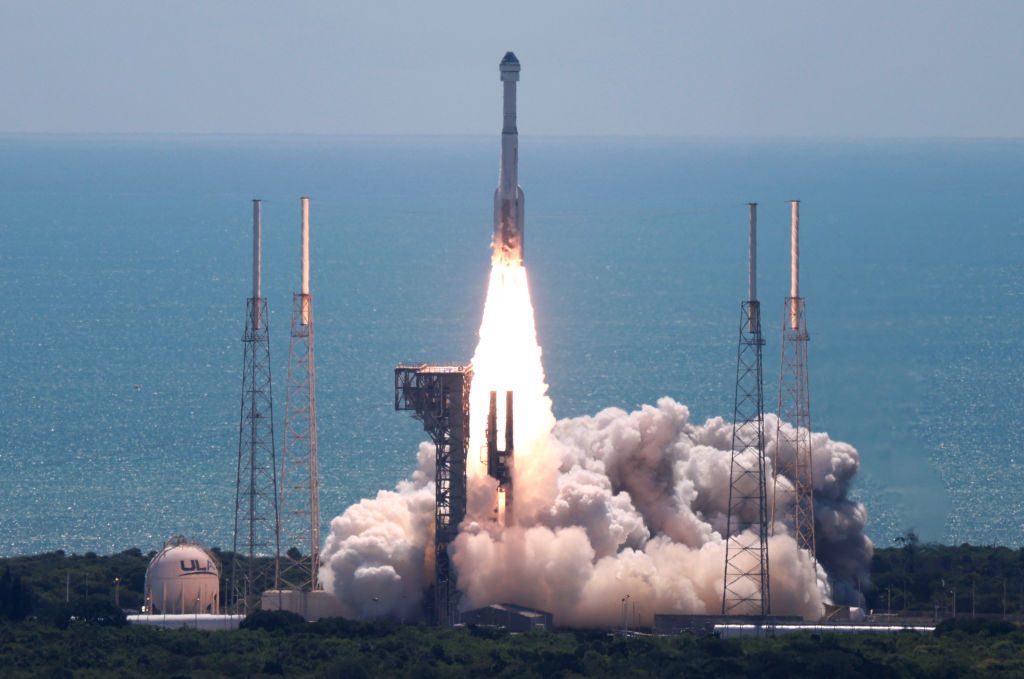
Launching a spacecraft takes an enormous amount of energy because a rocket must lift a very heavy vehicle high enough and fast enough to escape the pull of Earth’s gravity. That basic challenge is the reason launch location matters so much. Some places give rockets a small but meaningful advantage before the engines have done all the work.
One of the biggest factors is Earth’s rotation. A launch site closer to the equator can give a rocket more help from the planet’s spin, which reduces the effort needed to reach certain orbits. In simple terms, the right geography can act like a bonus push, making some regions better suited to launches than others.
Safety is another major reason rockets are often launched from coastal areas. If parts of a rocket fall away after liftoff, it is better for them to drop over open water than over populated land. That makes remote coastal sites especially useful for large launches, where both performance and public safety have to be considered together.
The idea of launching rockets from mountains sounds logical at first because the air is thinner at higher altitude. But the gain is usually too small to outweigh the drawbacks. Rocket launches depend on far more than elevation alone, and the best sites balance physics, trajectory and safety rather than simply choosing the highest ground available.