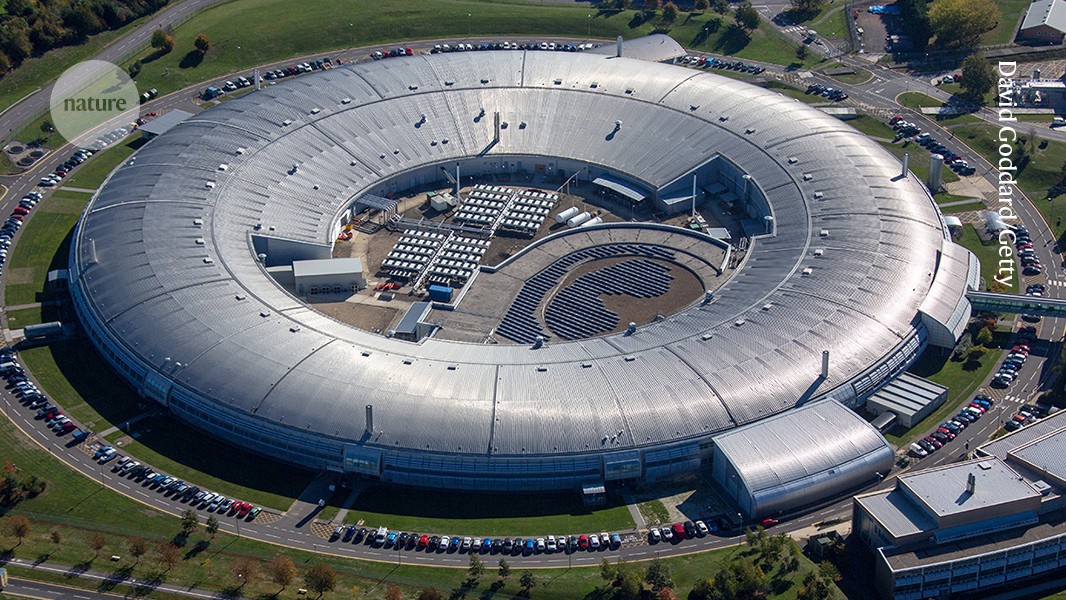
Some of the United Kingdom’s best-known physics facilities are facing a stark financial decision: find new commercial income or move closer to closure. According to the report, the funding hole is about £42 million a year, putting major national laboratories under growing pressure.
The facilities said to be at risk include the UK’s national synchrotron source, a laser facility and a particle accelerator. These are important parts of the country’s research infrastructure, so any threat to their future raises wider questions about how the UK supports large-scale science.
At the center of the debate is whether commercial funding can realistically replace missing public money. Turning more strongly toward industry partnerships and paid access could help cover costs, but it also creates tension over how facilities balance revenue needs with their role in supporting open-ended scientific research.
The issue is therefore bigger than a single budget shortfall. If no sustainable funding solution is found, the possible loss of these flagship physics laboratories could weaken the UK’s research capacity and reduce access to tools used across many areas of science.