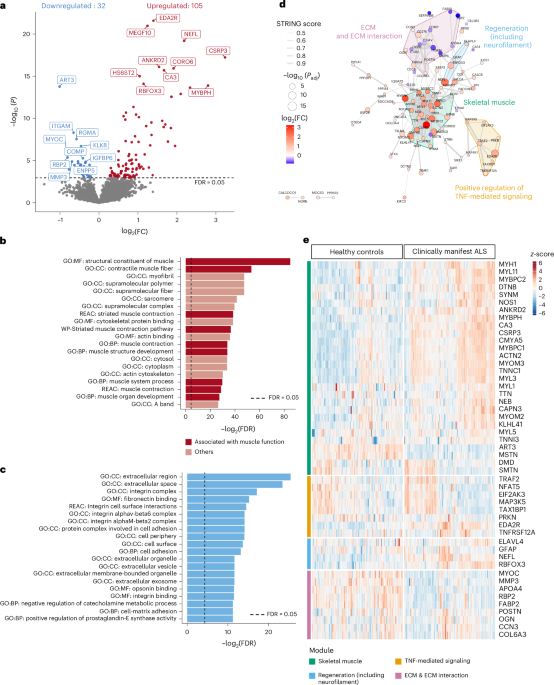
New research published in Nature reports that longitudinal plasma proteomics may help predict when amyotrophic lateral sclerosis (ALS) becomes clinically apparent. The study focused on people who carry ALS-associated pathogenic variants but had not yet developed symptoms, looking for blood-based protein changes that appear before disease onset.
According to the study description, the investigators found early shifts in plasma proteins before participants reached phenoconversion, the transition to clinically manifest ALS. By analyzing samples over time rather than at a single moment, the researchers were able to trace how these protein patterns changed as individuals moved closer to symptomatic disease.
The work also suggests that these proteomic signals could be used to estimate the timing of phenoconversion. That makes the findings notable for presymptomatic monitoring, because a blood-based approach could offer a way to track disease-related biology in at-risk carriers before clear neurological symptoms emerge.
The snippet notes that the discovery cohort came from parent studies at the University of Miami. While the trimmed report does not provide all experimental details, the overall message is that longitudinal plasma protein profiling may offer a promising route to earlier ALS detection and to better understanding the biological changes that precede symptom onset.