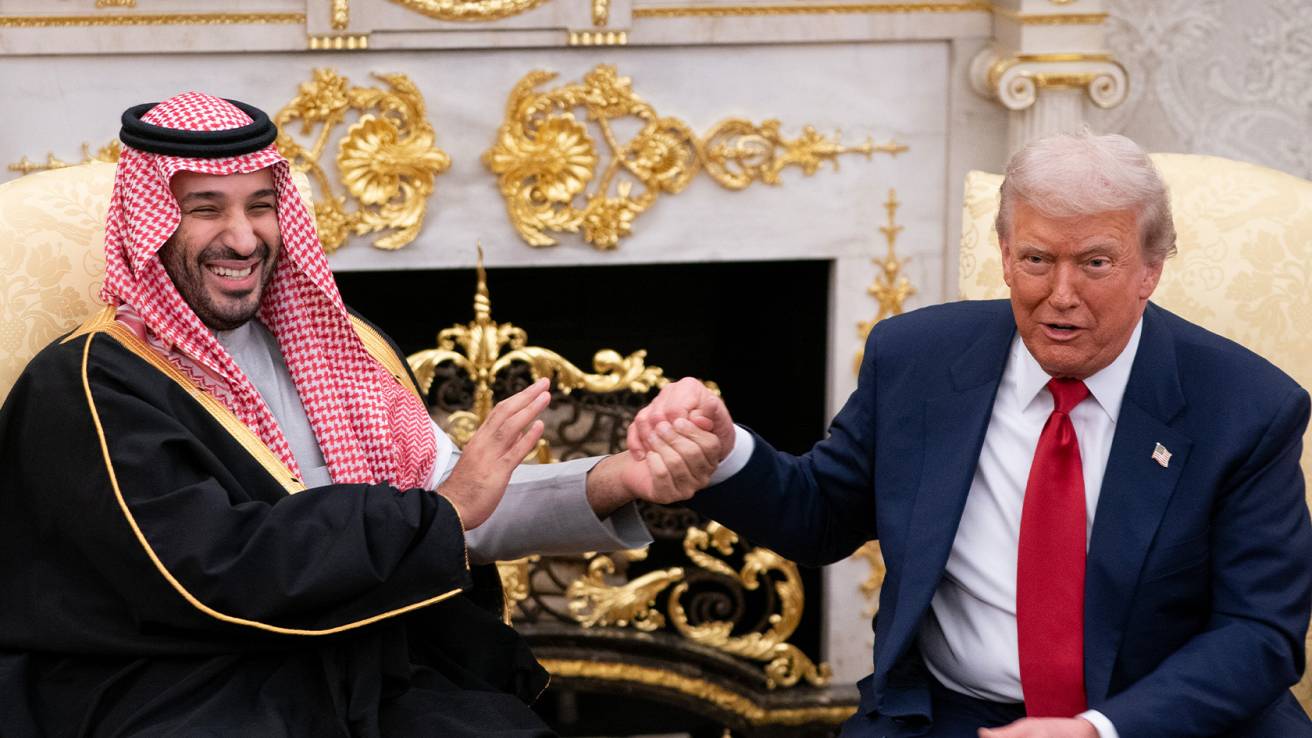
Concern is growing over what critics describe as a US double standard on nuclear policy in the Middle East. The debate centers on Washington warning that Iran’s nuclear sites could be targeted while also allowing Saudi Arabia to advance nuclear capabilities without the same level of strict international oversight.
The argument highlights a sharp contrast in how the two countries are treated. Iran, according to the description of the piece, had been subject to inspection by the UN’s nuclear watchdog until last year. At the same time, Saudi Arabia has reportedly been given room to pursue nuclear development without equally tight International Atomic Energy Agency safeguards.
That difference is being framed as more than a diplomatic inconsistency. Critics say it risks encouraging a wider Middle East nuclear race by signaling that close US partners may face fewer constraints than adversaries. In such an environment, regional mistrust could deepen as governments weigh their own security options.
The broader political question is whether Washington’s approach is making the region safer or increasing the chance of further escalation. By pairing military pressure on Iran with looser standards for Saudi Arabia, the policy is being portrayed as one that could weaken non-proliferation norms rather than reinforce them.