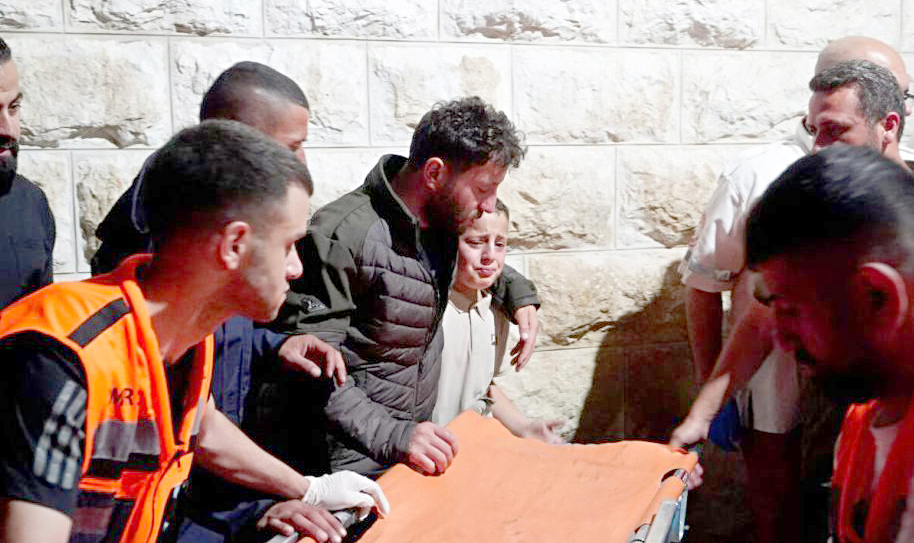
The report focuses on Tell, a village southwest of Nablus, where a local act of resistance during an Israeli military raid is presented as a significant moment in the wider West Bank conflict. According to the account, the confrontation stood out because it showed that heavy pressure on Palestinian communities has not erased the capacity for direct pushback.
Tell is described within a broader environment of repeated military raids, land confiscation and ongoing harassment and violence linked to settlers. In that setting, the village is portrayed as one example of how daily pressure has shaped life for Palestinians across parts of the occupied West Bank.
The central argument is that what happened in Tell disrupted the idea that constant force can produce lasting compliance. Even in a small community facing repeated incursions, the report suggests local resistance can still emerge and carry political meaning beyond the immediate raid.
Seen in that context, the events in Tell are framed as more than an isolated clash near Nablus. They point to the continuing instability of Israel’s West Bank approach and to the role small villages can play in exposing the limits of military control.