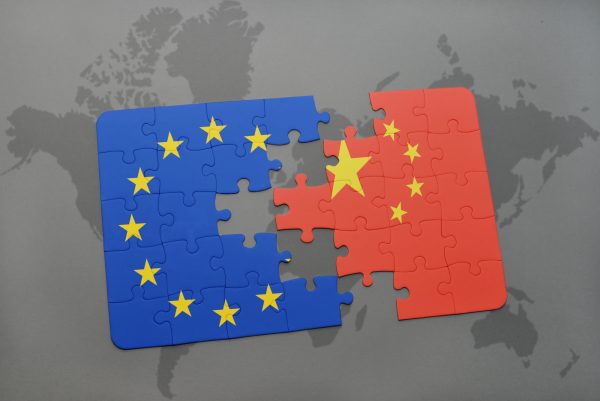
Europe’s debate over China has long been shaped by two assumptions: that China’s power would keep expanding almost automatically, and that deeper engagement would eventually encourage political liberalization. According to this view, growing economic ties were expected to make Beijing more open over time.
That expectation did not play out as many in Europe had predicted. As a result, policymakers in Brussels have had to rethink the foundations of their China strategy and question whether older approaches still match current realities.
The central argument is that Europe should not treat itself as powerless in the relationship. Even amid concerns about China’s global weight, Brussels still has influence and room to shape the terms of engagement. But that leverage may not last indefinitely if Europe delays or remains divided.
The piece suggests the EU should act while it still has meaningful bargaining power, rather than continuing to rely on outdated assumptions about China’s trajectory. In that framing, the challenge for Brussels is not only recognizing its leverage, but using it in a more deliberate and timely way before the opportunity narrows.