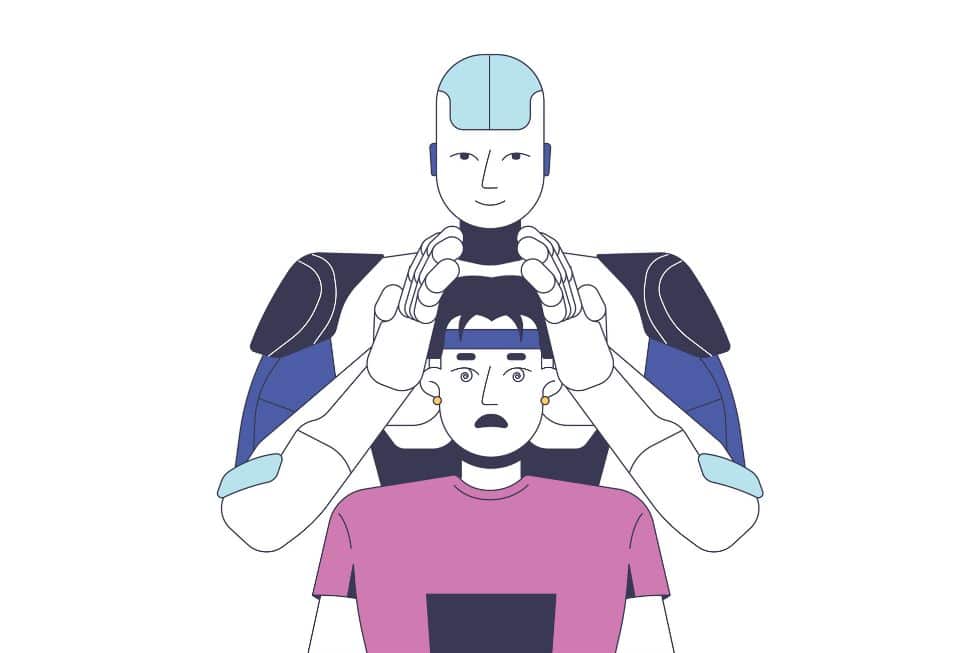
Sam Altman has said artificial intelligence has entered the "singularity," a loaded term often used to describe the point when AI moves beyond human intelligence and becomes harder to direct or contain. The idea has long been discussed in tech circles, but it also carries a strong cultural meaning because it suggests a major break in how people relate to machines.
The concern behind the term is simple: if AI systems become more capable than the humans building them, keeping them aligned with human goals could become much more difficult. That is why Altman’s wording has drawn attention. It frames current AI progress not just as another software upgrade, but as a shift with potentially far-reaching consequences.
Popular culture has explored these fears for years. Films such as Transcendence and Ex Machina imagined forms of intelligence that no longer fit within normal human limits, turning scientific ambition into questions about power, autonomy and control. Those stories help explain why the word "singularity" can sound alarming even when used in a modern technology debate.
Whether people should be worried depends largely on how they view the pace of AI development and the ability of companies and regulators to keep up. What Altman’s remark clearly does is push the discussion beyond excitement about new tools and toward a deeper debate over what happens if AI keeps advancing faster than society can manage.