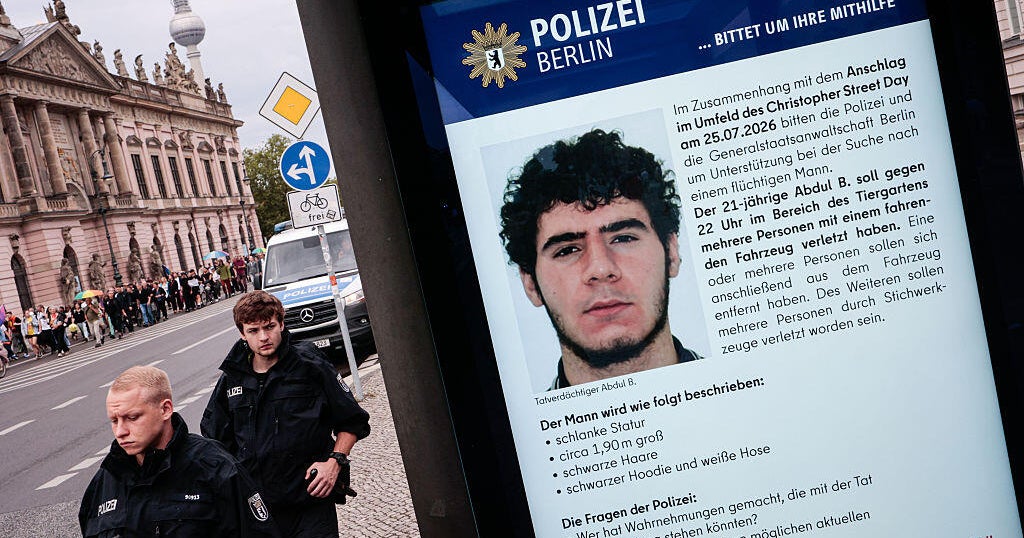
German authorities are facing growing scrutiny after the suspect in the Berlin Pride attack was identified as 21-year-old Abdul Ballout, a German-born man with Lebanese roots who officials say had links to ISIS. Investigators say he drove a vehicle into people attending Berlin's LGBTQ+ Pride celebrations, turning a major public event into the focus of a wider security debate.
Questions have intensified because the suspect had reportedly already drawn concern inside a deradicalization program. According to the account cited by CBS News, staff members had noticed warning signs and he was close to being removed from the program before the attack. That detail has raised fresh concern about how dangerous individuals are assessed and monitored.
Another major issue is why Ballout had previously been released from prison despite his reported extremist ties. The case is now prompting criticism of the systems meant to track former inmates and evaluate whether they still pose a threat. It also puts new attention on how Germany handles rehabilitation efforts for people linked to jihadist ideology.
The Berlin Pride attack is likely to deepen debate over public safety at large gatherings, especially events centered on minority communities. As the investigation continues, officials are expected to face pressure to explain what warning signs were known, how they were handled, and whether missed opportunities allowed the suspect to carry out the assault.