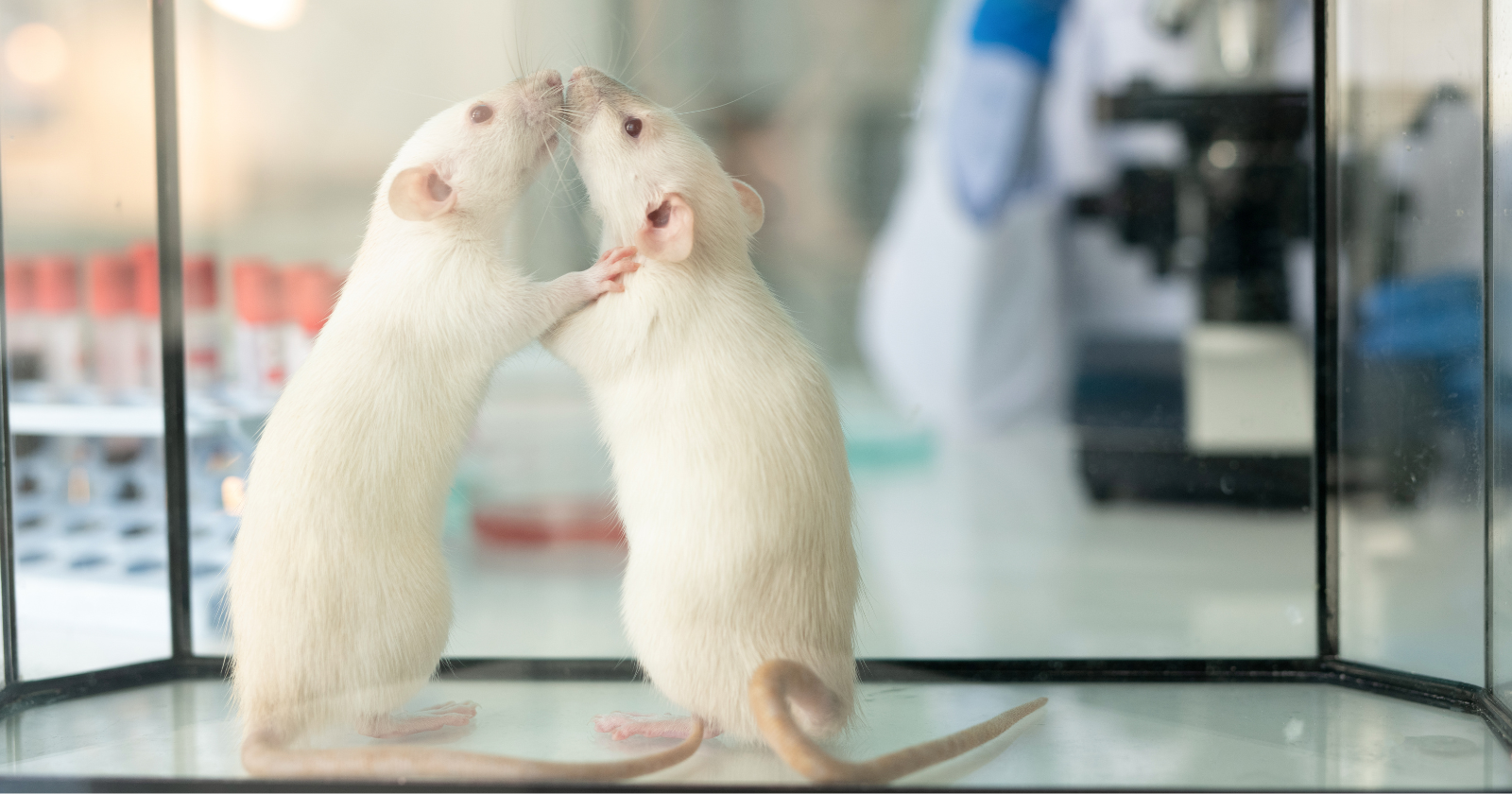
A University of Chicago lab experiment drew wide attention after researchers reported that a rat allowed to move freely in an arena learned to open a clear tube and release another rat trapped inside. The work, published in Science in 2011, was associated with Inbal Ben-Ami Bartal, Jean Decety and Peggy Mason.
The basic setup was simple but striking: one rat could move around normally while a cagemate was confined in a restrainer. Over time, the free rat learned how to open the tube, letting the trapped animal out. The behavior was presented as evidence that rats may respond to a companion's distress in a way that looks like empathy-driven helping.
Researchers then added chocolate to test whether the urge to help would weaken when a strong reward was available. According to the report, the rat opened the restrainer and the chocolate container at roughly similar speeds. It also ate less chocolate than it otherwise might have, suggesting that freeing the trapped rat remained a powerful motivation.
The study became notable because it pushed the discussion of empathy-like behavior beyond humans and primates. While the experiment does not settle every question about what rats feel, it suggested that social concern in animals can compete with appetite, even when a tempting food reward is close at hand.