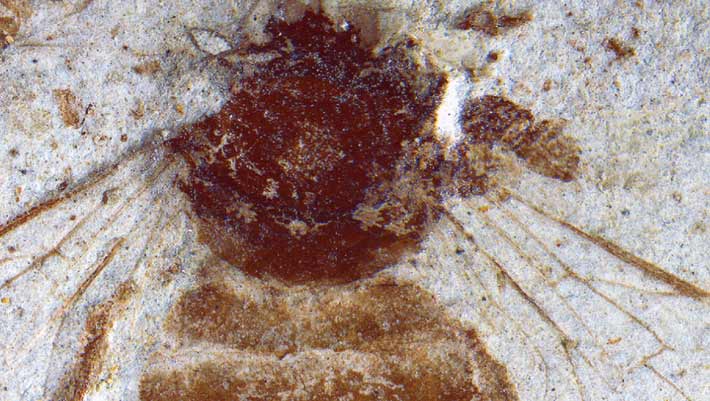
Paleontologists have reported a Japanese fossil bee discovery that appears to close a major gap in honeybee evolution. The newly identified species, Apis aibai, adds an important piece to the fossil history of the genus Apis and helps researchers connect missing stages in the lineage.
According to the report, the fossil fills a long-standing two-million-year gap in the evolutionary record of honeybees. That makes the find especially significant for scientists trying to understand how modern honeybees emerged and how species within Apis changed over time.
Because fossil evidence for bees can be limited, each well-preserved specimen has outsized value. In this case, the Japanese fossil bee gives paleontologists a clearer reference point for comparing extinct and living honeybees, improving the timeline of the group’s development.
The discovery of Apis aibai highlights how individual fossil finds can reshape broader evolutionary history. By narrowing a missing interval in the Apis record, the specimen offers new insight into honeybee ancestry and the deeper past of one of the world’s most important insect groups.





