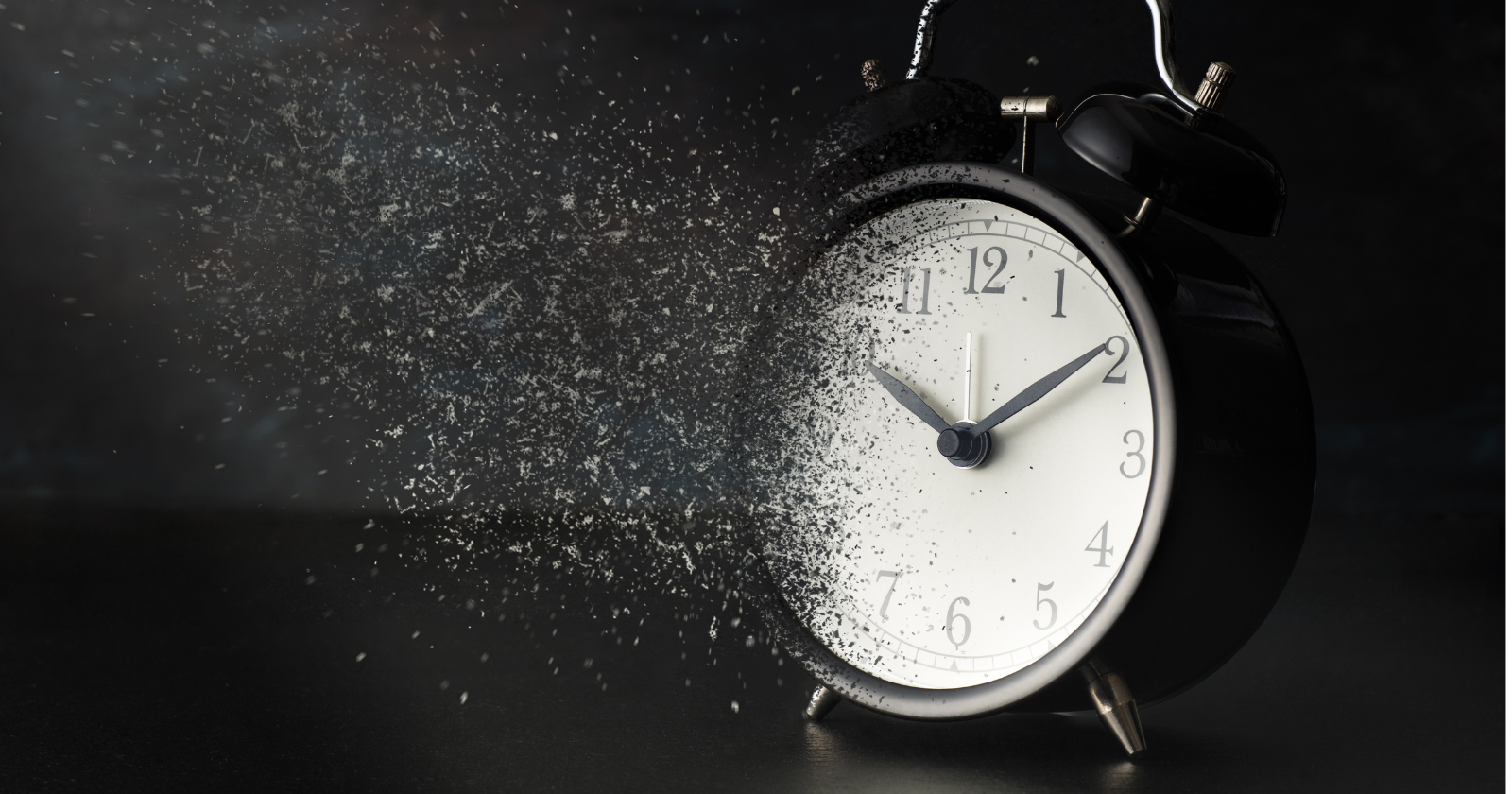
Earth’s 24-hour day is not a permanent feature of the planet. According to the report, the Moon’s gravitational pull is gradually slowing Earth’s spin, which means each day becomes microscopically longer over time. The change is too small to notice in daily life, but it has been building for immense spans of time.
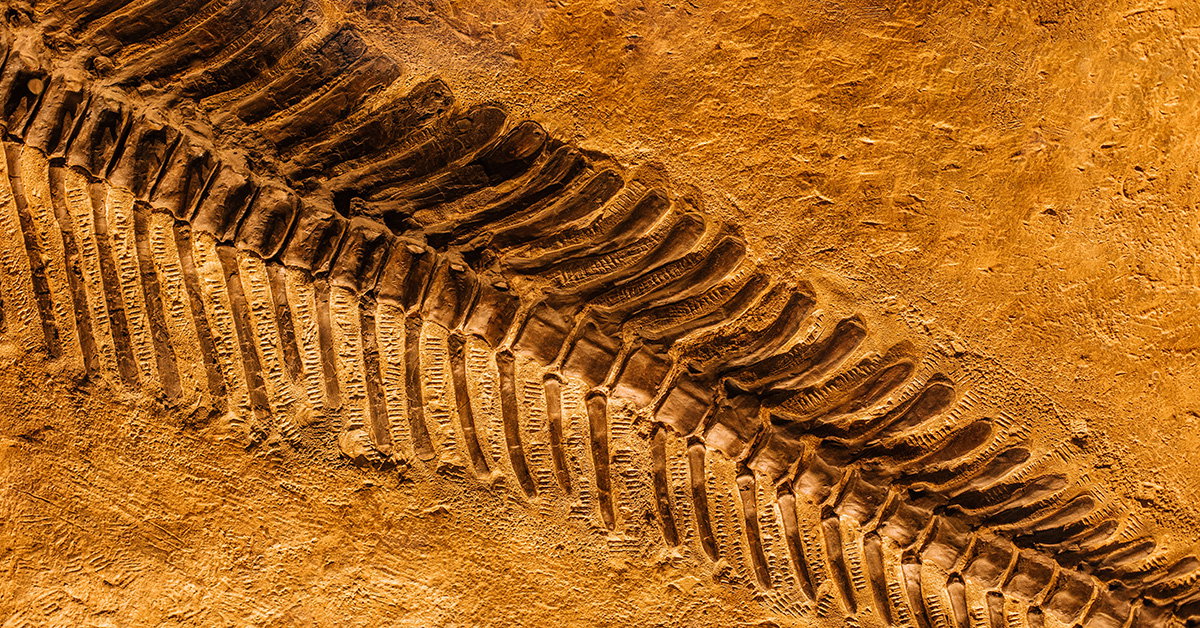
That long-term effect means a modern day is slightly longer than any day experienced during the age of the dinosaurs. In that era, a full rotation of Earth is described as lasting about 23.5 hours rather than the 24 hours people use today. Far deeper in the planet’s past, days were even shorter.
The basic reason is that the Moon is steadily taking some of Earth’s rotational energy. As lunar forces interact with the planet, Earth’s spin is gently braked, stretching the length of the day by tiny increments. Over millions and billions of years, those tiny changes add up to a meaningful difference in how long a day lasts.
The article presents the modern 24-hour day as a snapshot in an ongoing process rather than a fixed rule. As long as this slow lunar braking continues, Earth’s rotation will keep easing and the length of the day will continue to grow, even if the change remains imperceptible on a human timescale.