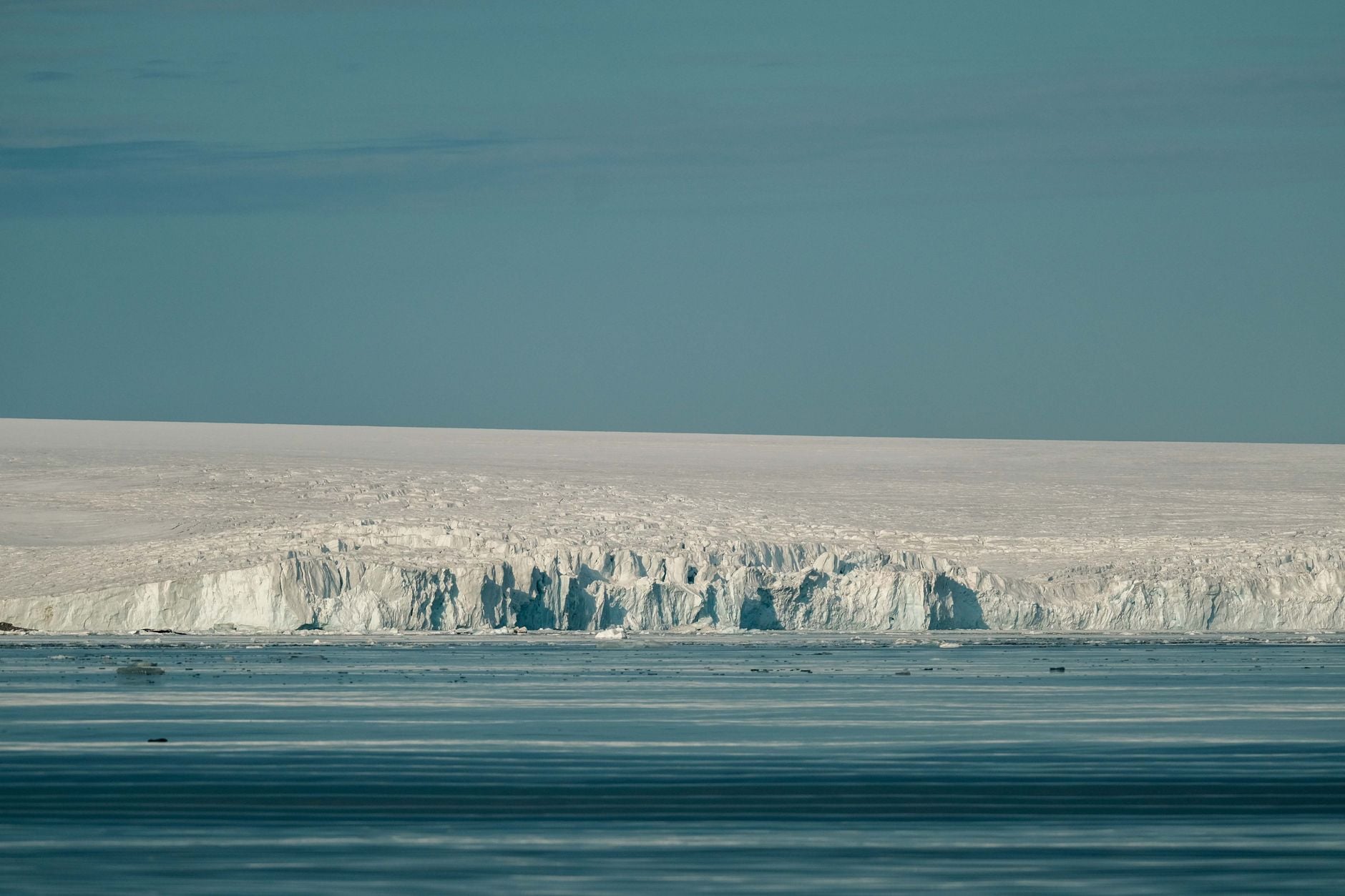
Deep below Russia’s Vostok Station in Antarctica, scientists have identified a vast lake trapped under nearly four kilometres of ice. Often compared in size to Lake Ontario, the body of water has been sealed off from sunlight and the atmosphere for roughly 15 million years, making it one of the most extreme and intriguing environments on Earth.
The obvious question is why the lake has not frozen solid. Researchers point to a combination of intense pressure from the overlying ice and heat rising from the Earth below. Even in one of the coldest places on the planet, those forces can keep deep water in a liquid state beneath the ice sheet.
The buried lake also matters because of what it could reveal about the limits of life. A dark, isolated environment cut off for millions of years offers scientists a rare natural laboratory for studying how ecosystems might survive without sunlight and with minimal contact with the outside world.
Beyond Antarctica, the mystery of Lake Vostok has wider scientific importance. Hidden lakes like this help researchers better understand Earth’s polar systems, the behavior of ice sheets, and the kinds of environments that might exist on icy worlds elsewhere in the solar system.