At the Royal Astronomical Society’s annual National Astronomy Meeting, researchers gathered to discuss fresh discoveries, results still to come, and proposals for future missions. Alongside that serious scientific agenda, one lighter but revealing question stood out: if a spacecraft could somehow ignore the normal limits of physics, where would astronomers most want to go?
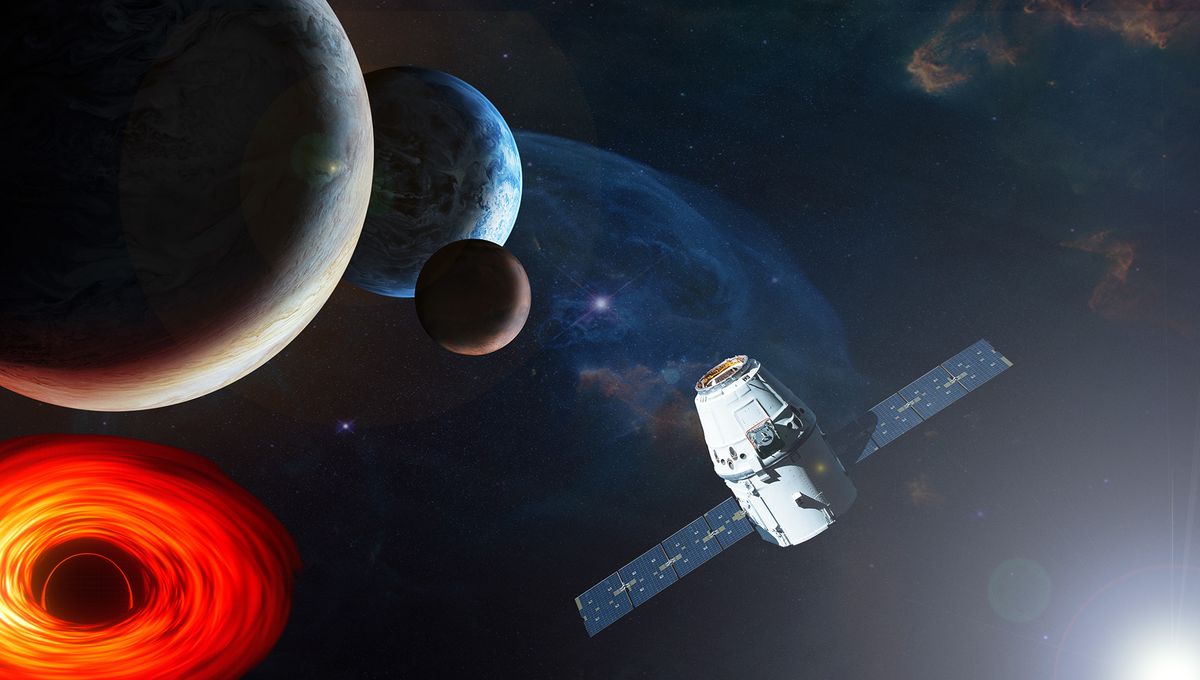
The idea deliberately sets aside the usual obstacles that shape real space exploration. Speed limits, engineering challenges, and mission budgets normally decide what can be studied up close. By removing those constraints, the question shifts from practical planning to pure scientific curiosity, offering a glimpse of the places experts find most exciting in the universe.
That makes the exercise more than simple daydreaming. It highlights the biggest mysteries astronomers would tackle first if distance and difficulty no longer mattered. Whether the target lies within our cosmic neighborhood or far beyond it, the choices reflect the same priorities seen in real research: understanding how worlds form, how extreme environments behave, and where the most surprising discoveries might be waiting.
Coming out of a conference packed with new findings and mission concepts, the thought experiment serves as a playful extension of modern astronomy’s ambitions. Even when physics and funding bring scientists back to reality, the question of dream destinations shows just how wide the field’s imagination remains.