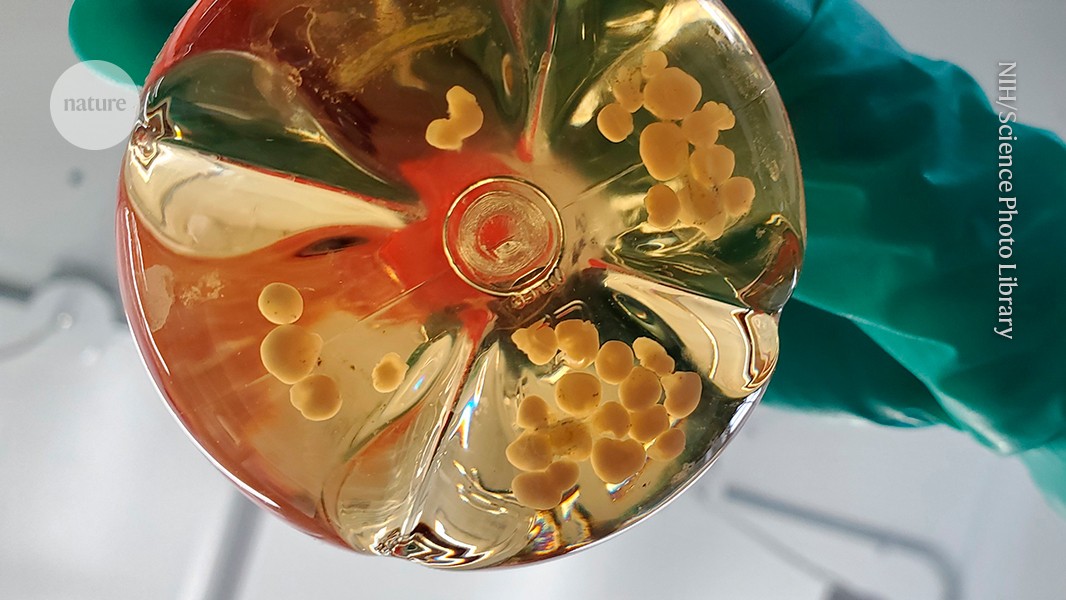
Researchers are exploring whether laboratory-grown brain organoids can be used in computing systems, pushing the long-running comparison between brains and computers into a new phase. The idea is to build forms of biocomputing that rely on living brain-cell cultures rather than traditional hardware alone.
The ethical concern highlighted in this debate is not only how such systems might work, but where the biological material comes from. People who donate tissue samples for biomedical research may not realize their cells could later be used in projects aimed at creating brain organoid computers.
That raises questions about informed consent. A person might agree to broad medical research without expecting their cells to be involved in biocomputing research, especially when brain-like tissue is part of the work. Even if the science is still developing, the use of donated human material in this context introduces concerns that differ from standard lab studies.
As brain organoid computing research advances, the discussion is likely to focus more on donor awareness, transparency and oversight. The central issue is whether current consent practices are clear enough for a field that blends neuroscience, computing and bioethics in ways many tissue donors may never have anticipated.





