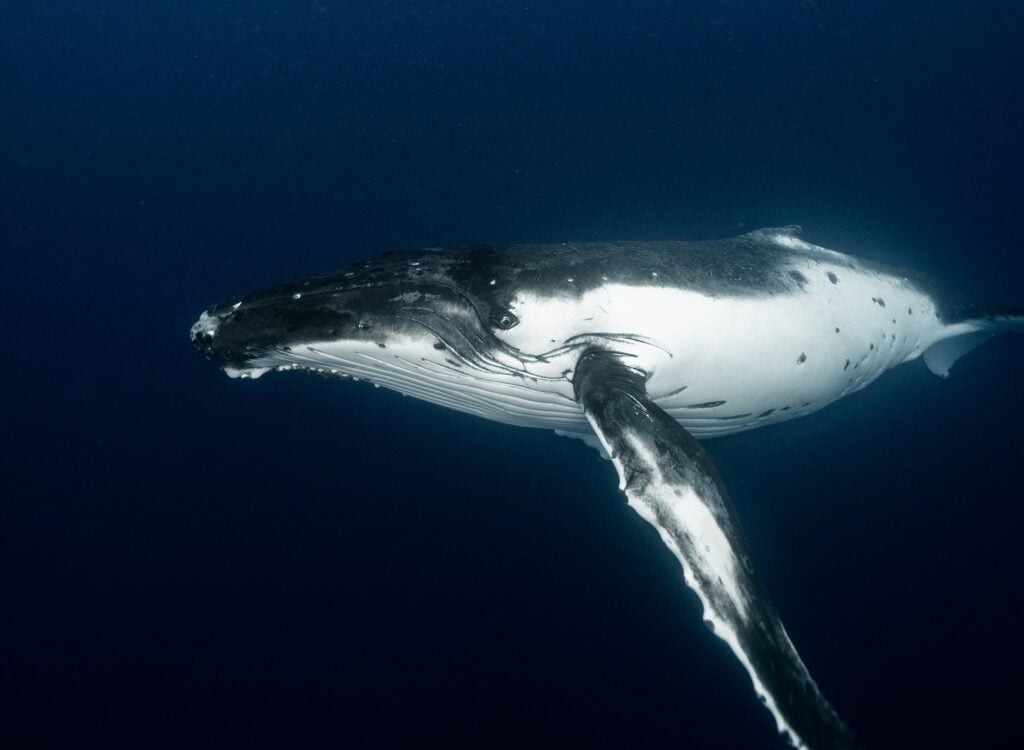
For decades, scientists have followed reports of a whale in the North Pacific that calls at roughly 52 hertz, a frequency noticeably higher than the well-known low sounds linked to blue and fin whales. Because no clear matching response has been documented, the animal became famous as a supposed "loneliest whale."
But the idea of total isolation may be more myth than conclusion. The limited evidence described so far points to an unusual vocal pattern, not proof that no other whale can hear it or communicate with it. Researchers are still working from sound recordings rather than a full picture of the animal's identity, behavior, or social life.
The mystery centers on what 52 hertz actually means in the ocean. The call is higher than the typical frequencies associated with some large whale species, which raises questions about whether this whale is using an uncommon voice, belongs to a less understood group, or is being interpreted through incomplete data.
The enduring fascination of the 52-hertz whale comes from that uncertainty. Scientists have tracked the sound for years, yet the deep ocean still leaves room for many possibilities, including that the whale is not unheard at all, but simply operating in ways human observers do not yet fully understand.





