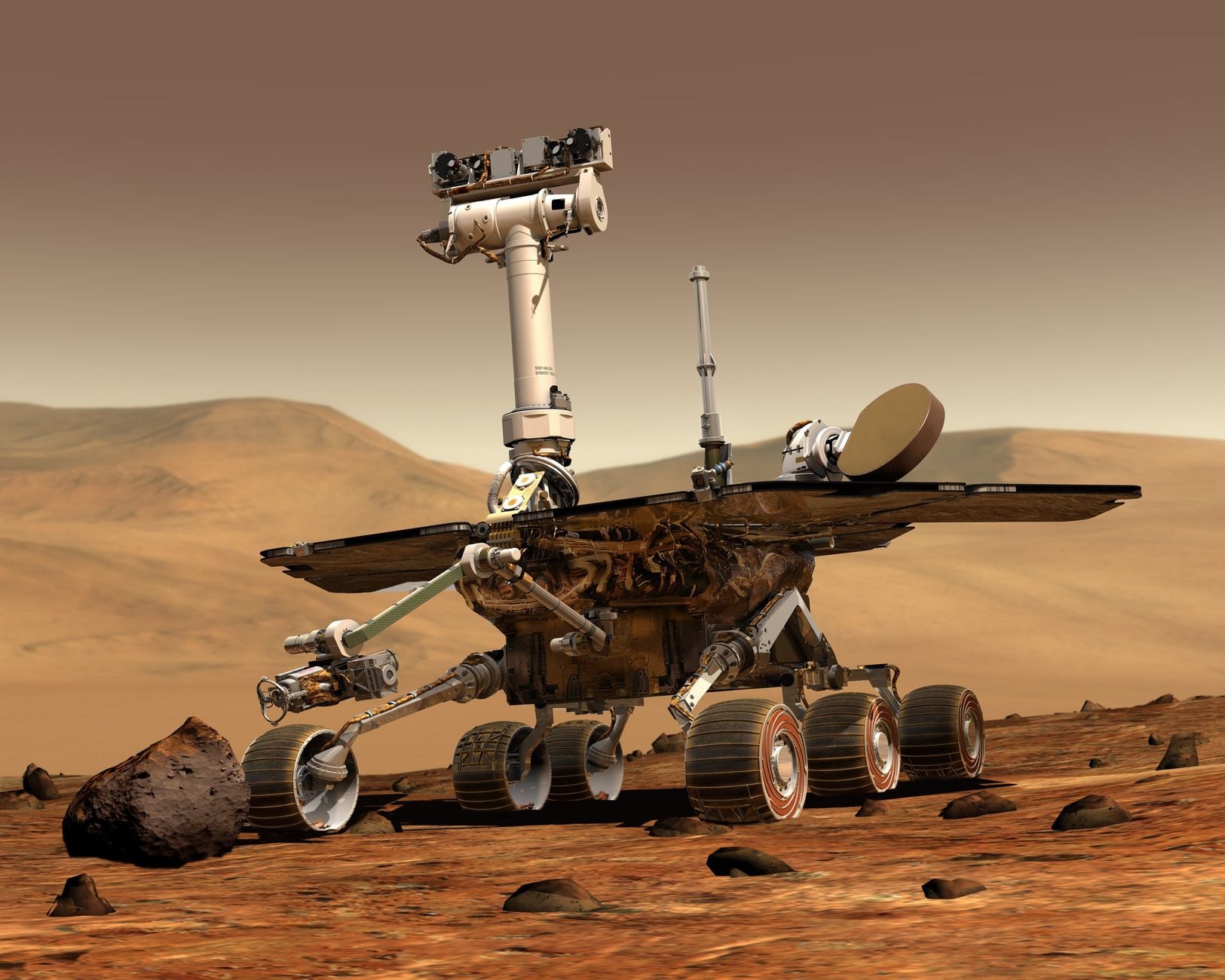
NASA's Opportunity rover was designed for a short stay on Mars, but it became one of the most durable robotic missions ever sent to another planet. Built to operate for about 90 Martian days and travel at least 600 metres, the rover kept working for more than 14 years.
By the time Opportunity fell silent, it had covered 45.1 kilometres, turning a modest engineering goal into a long-running exploration campaign. Its lifespan and distance made it a powerful example of how careful design, favorable conditions and resilience on Mars can produce results far beyond the original plan.
The mission came to an end in 2018, when a planet-wide dust storm darkened the sky over Perseverance Valley and blocked the sunlight the rover depended on. The storm became the one obstacle that could not be engineered away, and Opportunity's final transmission marked the close of an unexpectedly historic chapter in Mars exploration.
Opportunity's story remains notable because it began as a three-month mission and ended as a fourteen-and-a-half-year achievement. What was meant to be a limited rover drive became a lasting symbol of robotic endurance and the unpredictable realities of operating on Mars.





