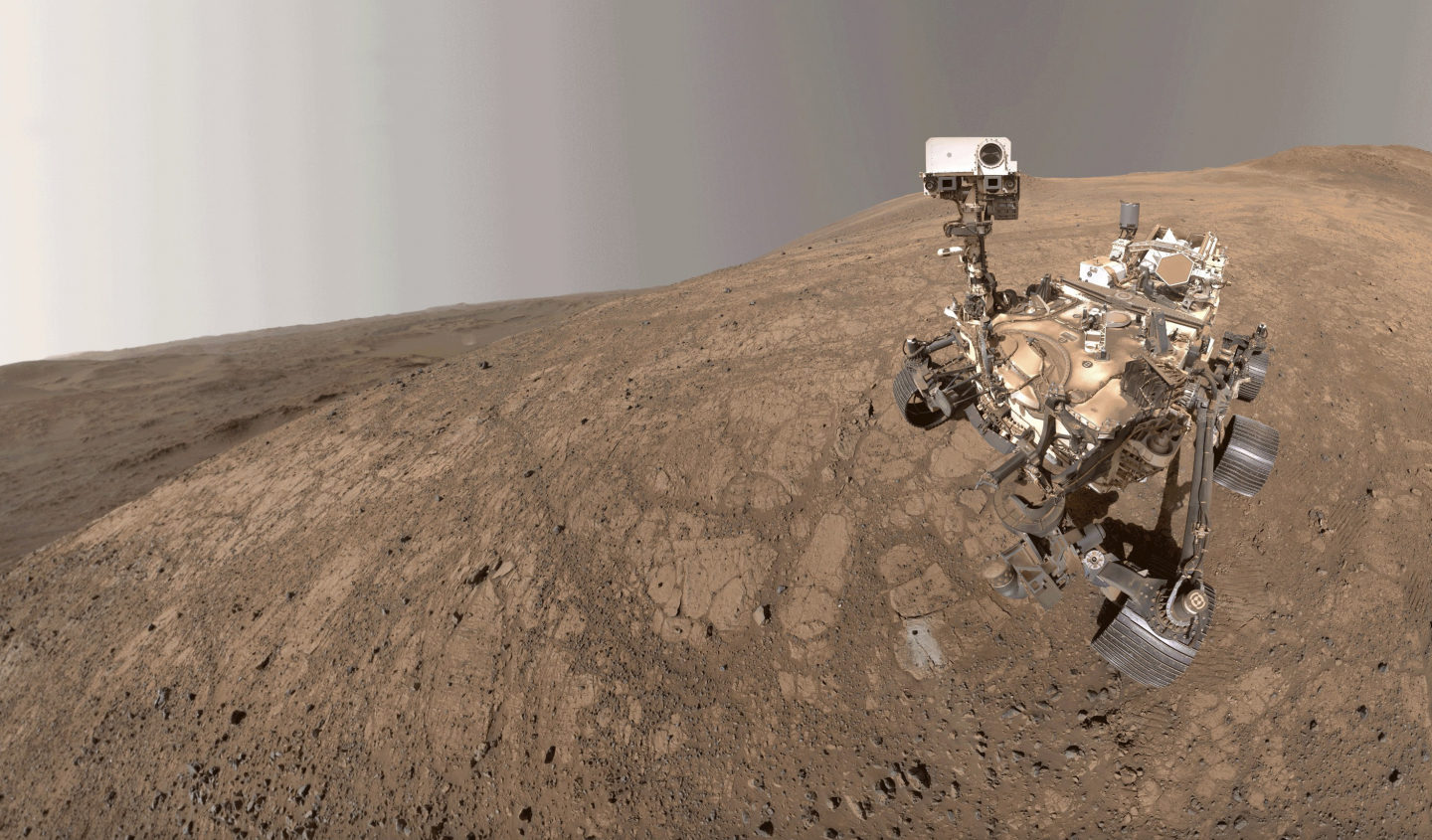
Terraforming Mars has become one of the most ambitious long-range ideas in space exploration. The concept is often tied to Elon Musk and other futurists who see the Red Planet not just as a destination for missions, but as a possible second home for humanity.
At its core, terraforming means altering a planet’s environment so it becomes more Earth-like and potentially able to support human life. In this vision, Mars would be transformed over time into a world with conditions closer to those found on Earth, making long-term settlement more realistic.
The idea itself is not new. The term “terraforming” dates back to 1930, when writer Olaf Stapledon used it in his novel Last and First Men. That early use shows how science fiction helped shape modern conversations about planetary engineering and the future of human civilization beyond Earth.
Today, Mars terraforming remains a speculative and very long-term goal rather than a near-term project. Even so, the idea continues to attract attention because it connects space technology, human survival, and the question of whether people might one day create a second Earth on another world.